
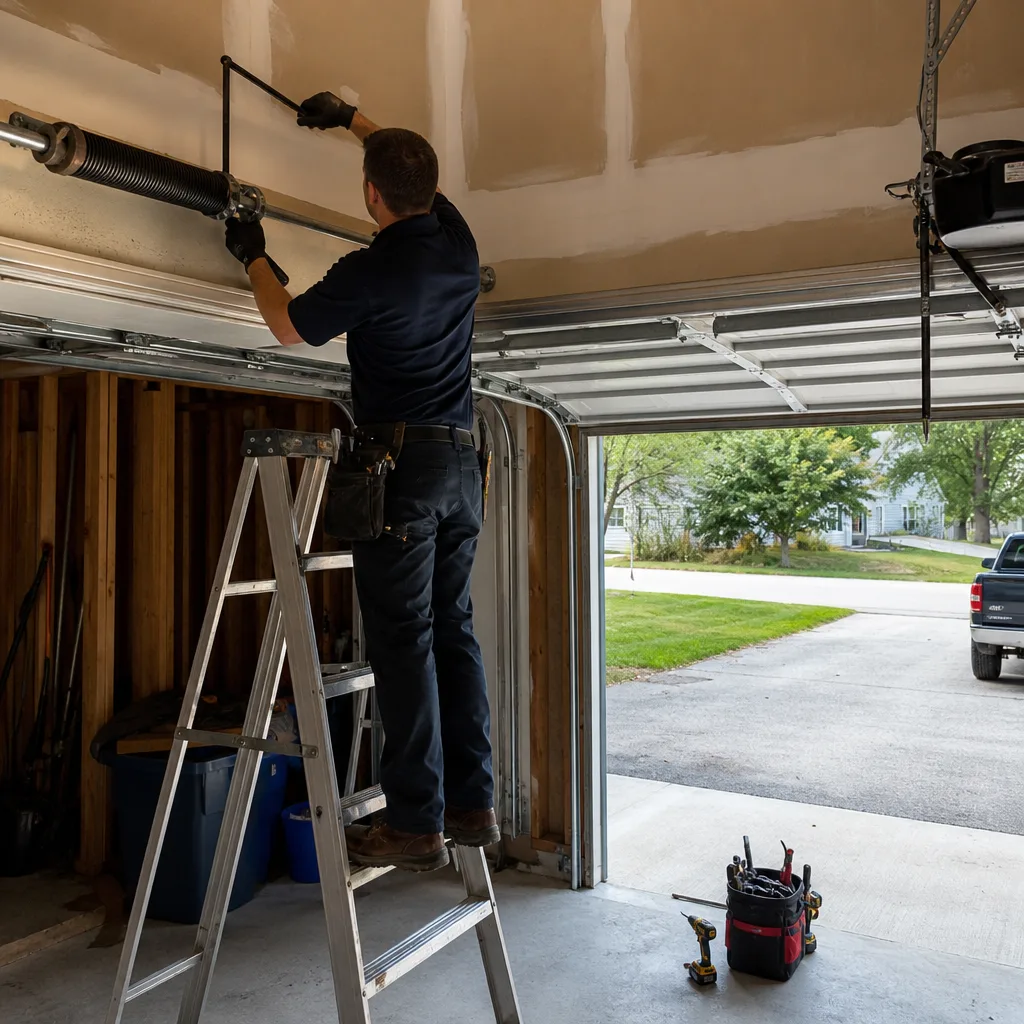
Last updated November 15, 2026
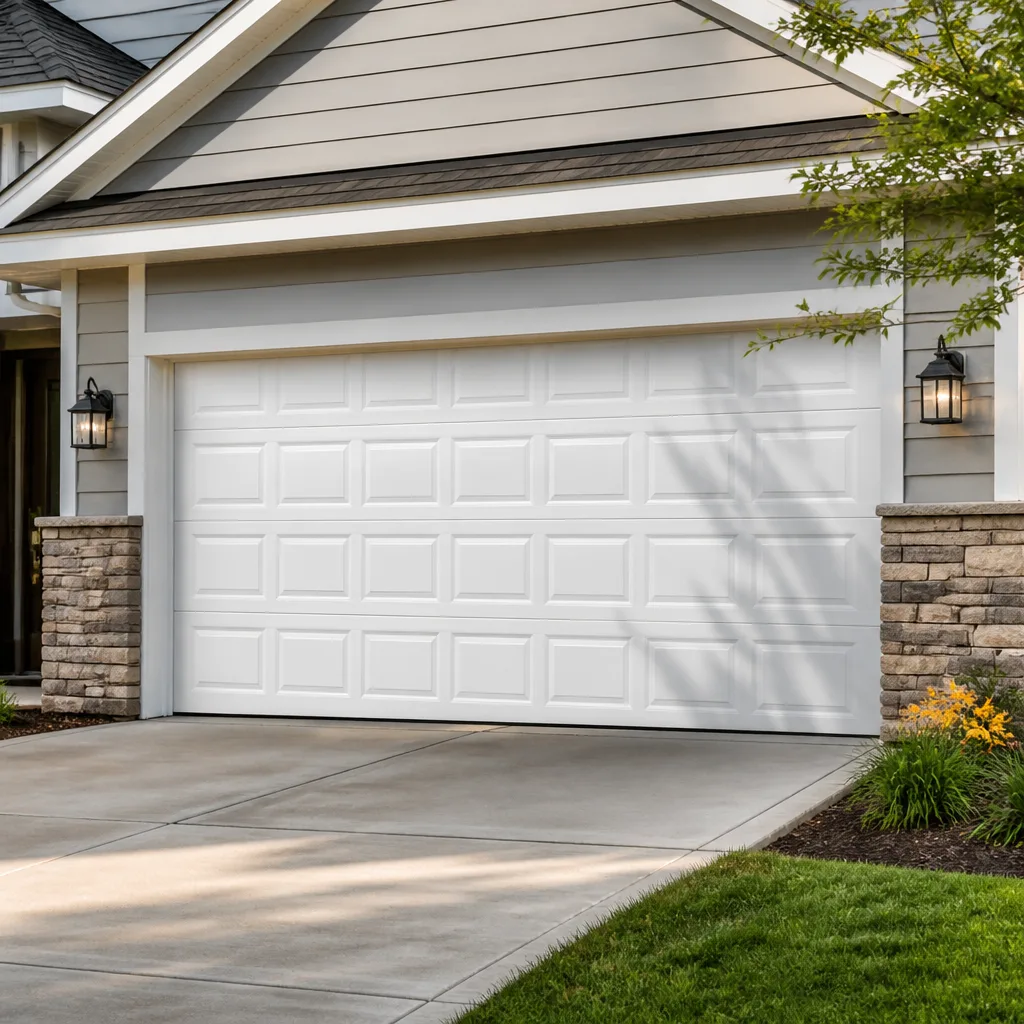 Raised-panel steel
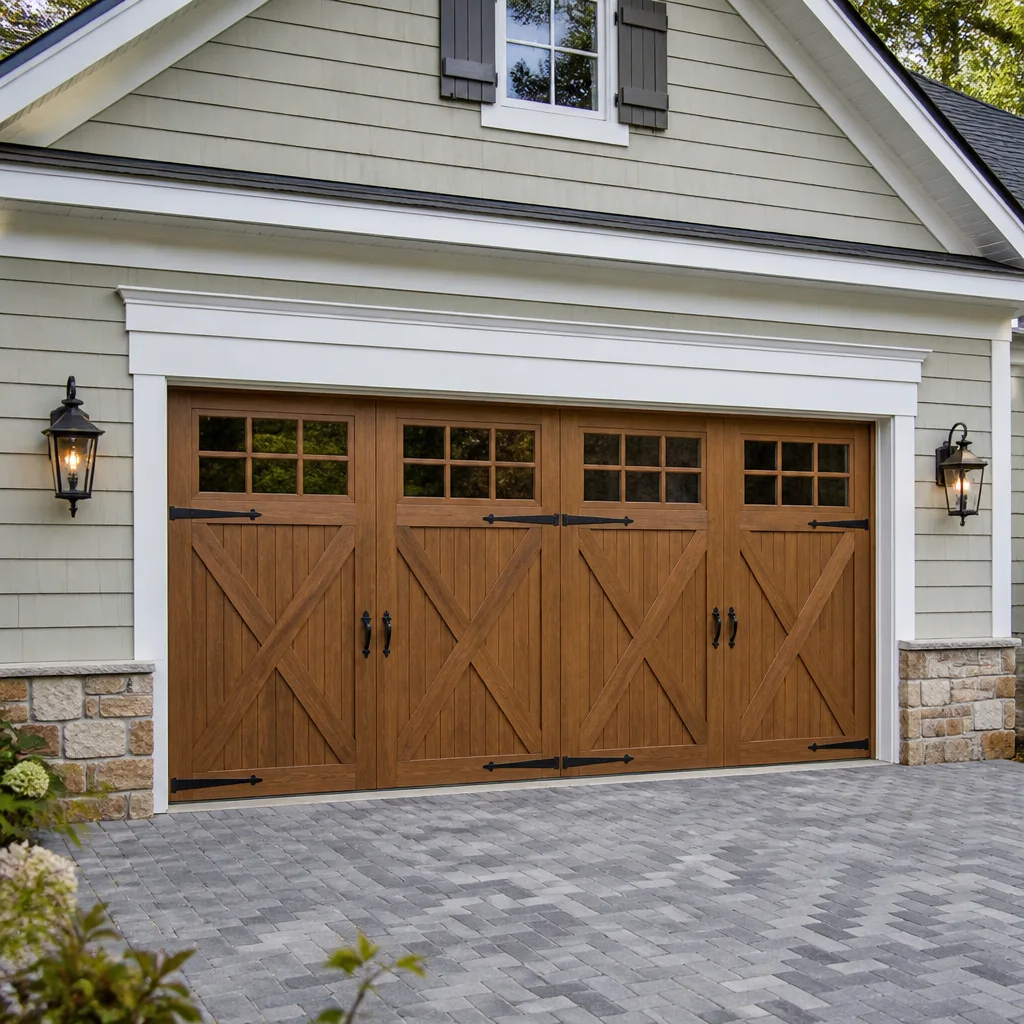 Carriage house
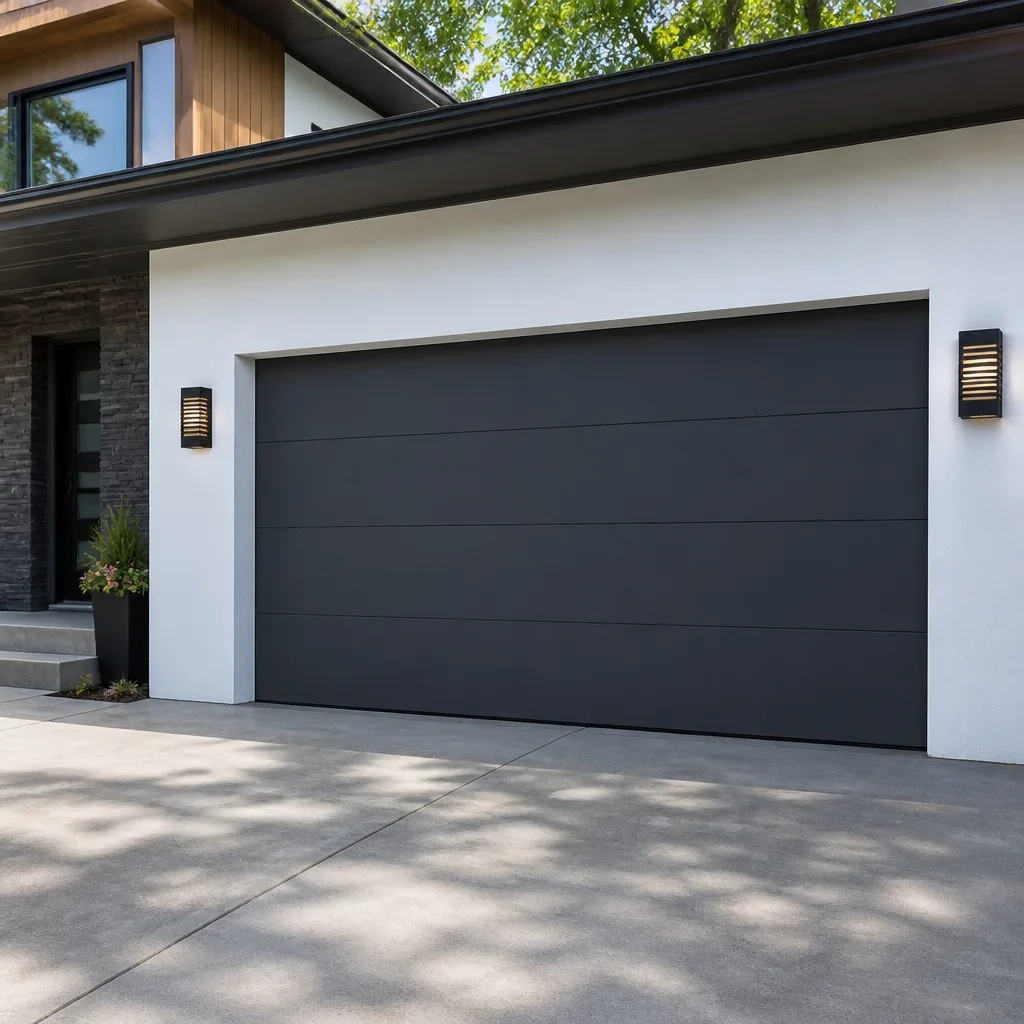 Modern flush
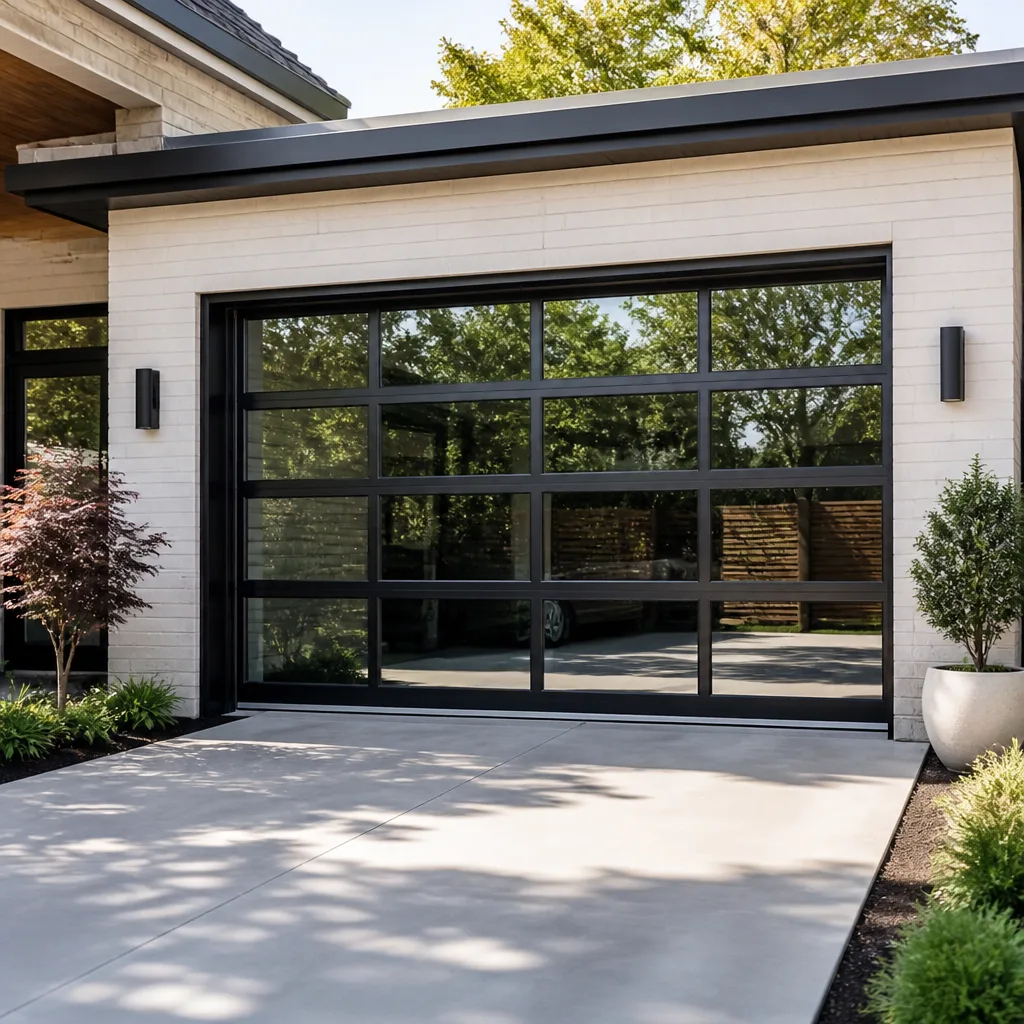 Full-view glass
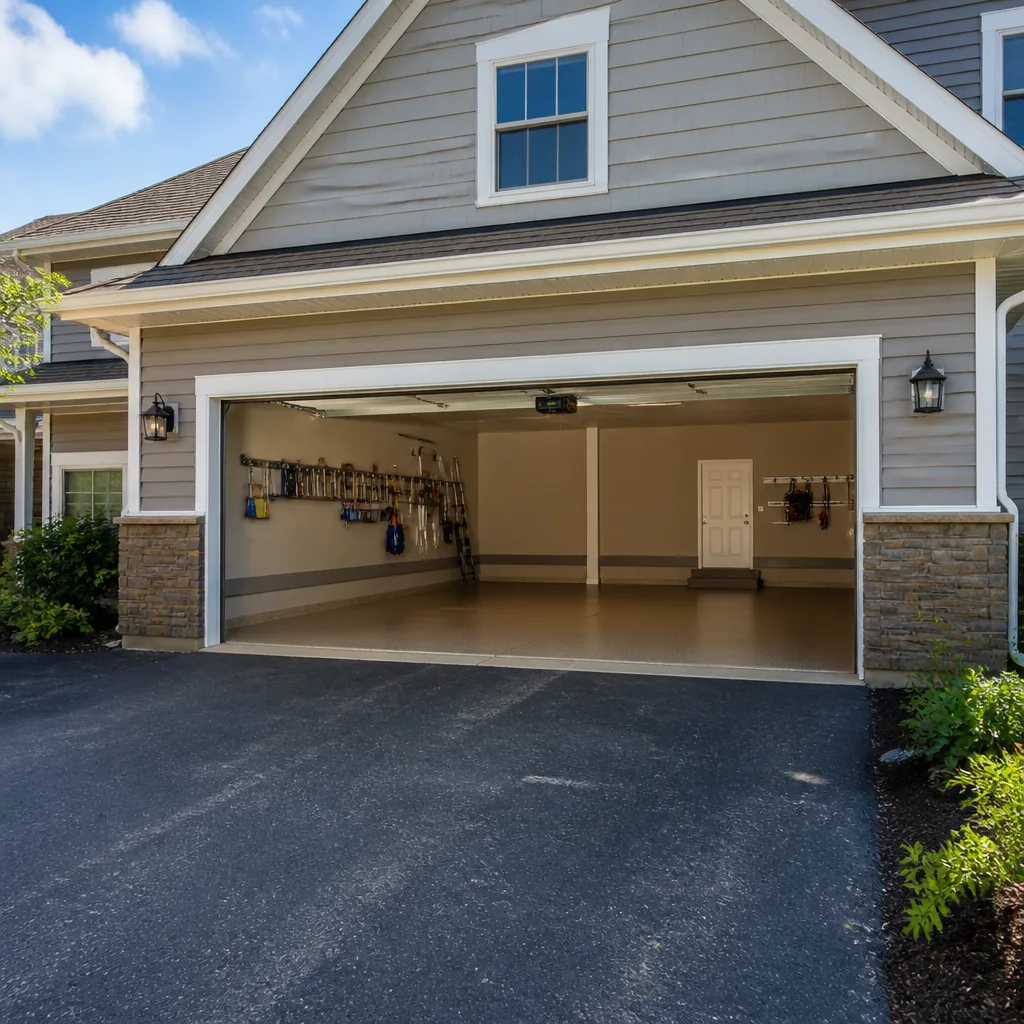 LiftMaster openers
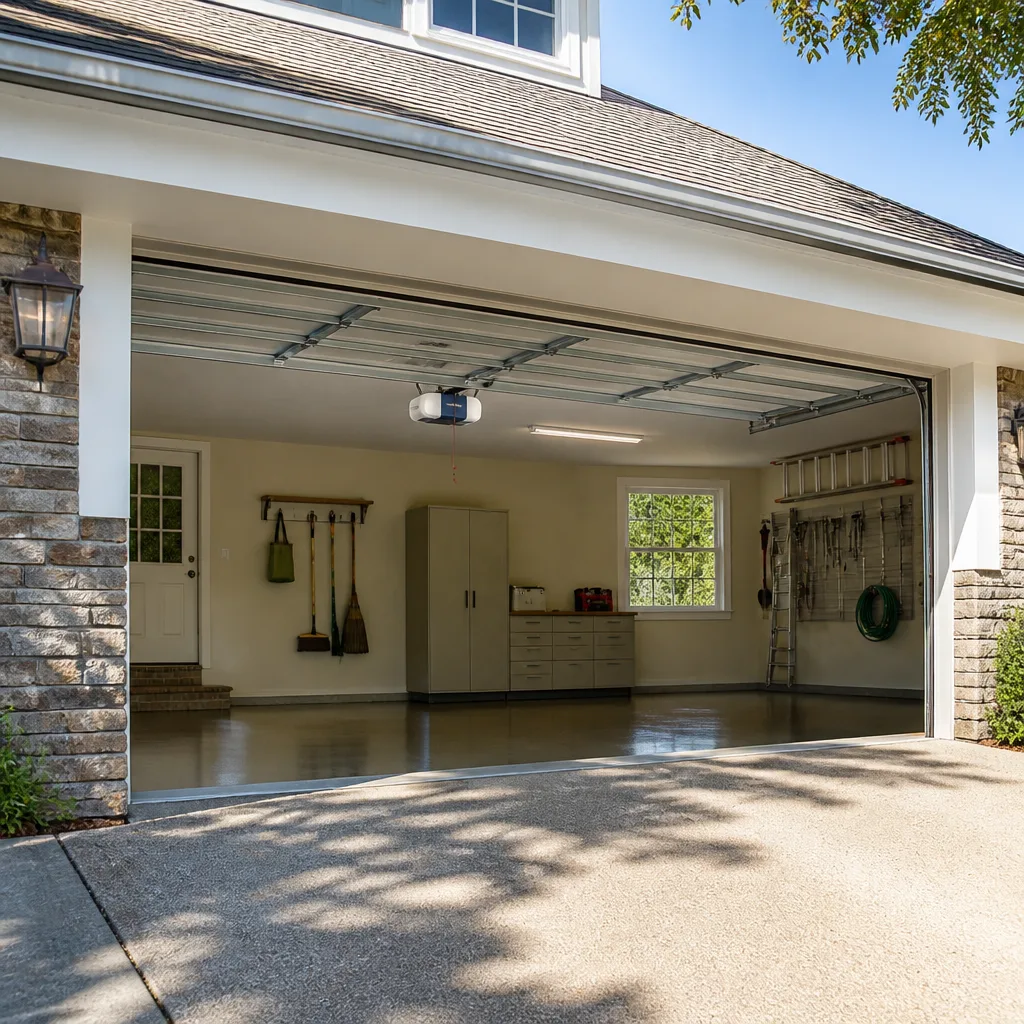 Chamberlain openers
Full 25-point door and opener safety check with every visit - springs, cables, rollers, tracks, and your LiftMaster or Chamberlain opener included
You get a price before we start. It does not change when the pro arrives.
Get your free estimateChoosing the Right Garage Door Brand: A Buyer’s Guide for Manchester
The brand that dominates national advertising has distribution advantages that have nothing to do with whether its panels hold up to freeze-thaw cycles or whether a local technician can get its parts without a week-long wait. That’s the uncomfortable truth about choosing a garage door brand. The loudest name on television isn’t automatically the right door for a home in Manchester, where winter cycling between freezing nights and thawing days puts real stress on steel, seals, and hardware. What matters up here is how a manufacturer builds for cold, how quickly its parts land in the region, and whether the warranty actually covers what goes wrong. In this guide, we’ll walk through all of it so you can choose with your eyes open.
Styles & brands we work with
- Raised-panel steel
- Carriage house
- Modern flush
- Full-view glass
- LiftMaster openers
- Chamberlain openers
Quick Answer
For Manchester homes, the right garage door brand is the one with good cold-weather construction (heavy steel gauge, sealed joints, a quality bottom seal), reliable local parts distribution, and a warranty that survives a real northern winter. Among the brands installed most often in New Hampshire, Clopay, Amarr, Raynor, and Wayne Dalton cover the value-to-premium range well, and pairing the door with a LiftMaster, Chamberlain, or Genie opener is a separate decision you should make on its own merits. Brand reputation matters, but local build quality and parts access matter more.
Table of Contents
- Why Brand Choice Matters More in Manchester Than You Think
- How to Judge Cold-Weather Performance Before You Buy
- Parts Availability in the Manchester Market
- The Three Tiers of Garage Door Construction
- Door Brand and Opener Brand Are Separate Decisions
- What “Lifetime Warranty” Actually Means
- A Step-by-Step Brand Evaluation Process
- Common Mistakes to Avoid
- When to Call a Professional
- Frequently Asked Questions
Why Brand Choice Matters More in Manchester Than You Think
In a mild climate, almost any door from a reputable manufacturer will last a reasonable time. Manchester is not a mild climate. A typical winter here throws repeated freeze-thaw cycles at a door: daytime sun softens snow and ice on the apron, overnight cold refreezes it, and the cycle repeats. That expansion and contraction works on the bottom seal, the panel joints, the hinges, and the hardware. A door that was designed with thin steel and loose tolerances will start to show it within a few seasons, and no amount of adjustment fixes construction that wasn’t built for the job.
Brand choice also determines your repair experience long after the install. When a torsion spring finally goes or a panel needs replacing, what matters is whether a technician can find that part quickly. A well-known brand with strong regional distribution gets fixed faster than an off-brand door with no local stock. That’s why we think about brand selection as a long-term repair question, not just an appearance question.
Manchester’s housing stock adds another wrinkle. Older homes around the city often have non-standard opening dimensions, so a brand that offers custom sizing and flexible panel configurations tends to serve those properties better than a manufacturer that only ships standard sizes. Newer construction usually fits a standard door without issue, which gives you more freedom to choose on cold-weather construction and warranty terms. Either way, matching the brand to the actual house beats matching it to a logo.
Before diving into the specifics, it helps to know how we approach this. As a Radiant Garage Door Repair, we focus on the trade as a whole, which means we see how different brands hold up over years of Manchester weather and we hear which ones cause the least trouble at repair time. That perspective shapes everything below.
How to Judge Cold-Weather Performance Before You Buy
Cold-weather performance comes down to four things you can actually check on a spec sheet or at a showroom: steel gauge, joint sealing, bottom seal design, and how the warranty treats climate-related failures. If a manufacturer is vague about any of these, that’s your first clue.
Steel Gauge
Steel gauge is the thickness of the panel steel, and it matters most in a cold climate because thicker steel resists denting from ice, resists panel flex under snow load, and holds its shape through expansion and contraction. A door with thin panels will drum and oil-can in the cold. When you compare brands, ask for the gauge directly. A manufacturer that publishes it clearly is usually the one building a door that holds its shape.
Joint Sealing and Bottom Seal Design
Section joints are where cold air and moisture get in. Better brands use tighter tolerances at the joints and, in premium lines, actual thermal breaks between sections. The bottom seal is the piece that touches your slab and takes the worst of the freeze-thaw abuse. A quality bottom seal is flexible at low temperatures, sits in a proper retainer, and can be replaced on its own without rebuilding the panel. That replaceable bottom seal is a small detail that saves real money over a door’s life.
Insulation and Thermal Behavior
Insulated doors aren’t just about comfort. Insulation also stiffens the panel and reduces the temperature swings the steel sees, which helps the door last longer. If your garage sits under living space or shares a wall with the house, insulation is doing real work. We generally recommend an insulated door for Manchester homes unless the garage is fully detached and unconditioned.
Warranty Language Around Climate
Read the fine print for exclusions tied to weather, installation, and “normal wear.” Some brands carve out more than others. That’s covered in its own section below, but it’s a cold-weather question too: a warranty that won’t cover a failed seal or rusted hinge in a northern climate isn’t much of a warranty.
Parts Availability in the Manchester Market
Here’s a reality most buyers never think about until something breaks: the brands with local distributor stock in the Manchester region get repaired faster than the brands that require factory-shipped components. When a spring, roller, hinge, or bottom seal fails, the difference between a part being on a distributor’s shelf and a part being ordered from a factory can be days. Trying to put that into a timeline we can’t guarantee would be dishonest, so we’ll just say it plainly: access to local stock matters, and not every brand has it equally.
What we’ve seen in the region:
- Clopay and Amarr both have broad distribution networks that reach this market well, so common repair parts and panel replacements are usually reachable locally. That’s a big reason they show up on so many New Hampshire homes.
- Raynor is well-established with strong dealer support, and while not every part is sitting on a local shelf, the network is generally responsive for the common items.
- Wayne Dalton has a widespread presence and parts tend to be findable, though specific model parts can vary by distributor.
- Off-brand and builder-special doors are the wildcards. They can require factory-shipped parts or, worse, parts that are no longer produced for that model.
If you’re weighing a brand the contractor sells most heavily, ask this directly: “If my bottom seal fails in two winters, can you get the part locally, or does it come from the factory?” A brand that can’t answer that comfortably is telling you something. This is exactly the kind of question we help Manchester homeowners sort out during a free estimate, and it’s part of why our garage door repair work is easier when the door came from a brand we can actually source parts for.
The Three Tiers of Garage Door Construction
Within nearly every major brand, doors come in three broad tiers. Understanding the tiers matters more than which brand name is on the box, because most brands offer something in each tier. Here’s how the tiers shake out across the brands installed most often in New Hampshire.
Builder-Grade
Builder-grade doors are what show up on most new-construction homes: single-layer steel, thinner gauge, minimal insulation, basic hardware. They’re inexpensive and they work, but they’re the tier where Manchester freeze-thaw shows its wear fastest. If your home already has a builder-grade door and it’s holding up fine, that’s a real data point, but expect the bottom seal and hardware to need attention sooner than a mid-tier door.
Mid-Tier
Mid-tier doors add a steel backer or insulation layer, better hardware, and stronger bottom seal designs. This is the sweet spot for most Manchester homeowners: noticeably better cold-weather behavior without premium pricing. Clopay and Amarr both have strong mid-tier options, and Wayne Dalton’s mid-range lines are common in the region too. If you’re replacing a builder-grade door because of winter wear, this tier usually gives the most improvement per dollar.
Premium
Premium doors bring thicker steel, full insulation, thermal breaks between sections, upgraded hardware, and better warranty terms. They’re the right call for high-use doors, homes where the garage shares conditioned space, and anyone planning to stay in the house long term. Raynor’s higher lines and the premium Clopay and Amarr options fit here. Premium is worth it when you’re paying for construction that will outlast the freeze-thaw cycle, not just for a nicer finish.
Door Brand and Opener Brand Are Separate Decisions
One bundling habit you’ll run into is a contractor steering you toward the door brand and opener brand that happen to suit their supplier, not your house. That’s a mistake. The door and the opener are separate pieces of equipment with separate jobs, and the best decision on each rarely lines up perfectly.
The door choice should be driven by construction, cold-weather performance, sizing, and parts availability, as covered above. The opener choice should be driven by door weight, ceiling height, power availability, smart-home needs, and local repair support. A heavyweight insulated door needs an opener rated for it, full stop. A modern smart opener from LiftMaster or Chamberlain brings app control, battery backup, and better compatibility with today’s tech, but none of that helps if the opener isn’t matched to the door’s weight and travel.
Here’s the practical split. We install and repair doors from Clopay, Amarr, Wayne Dalton, and Raynor across the value and premium segments. We also repair and install openers from LiftMaster, Chamberlain, Genie, and Craftsman. Because both sides are in the same trade, we can tell you honestly whether your current opener will handle a new door, or whether the opener needs attention too. If you’re working on the opener side specifically, our garage door opener repair team handles both legacy and smart-home systems from these brands. Ask for the door and the opener to be evaluated separately, and you’ll make better decisions on both.
What “Lifetime Warranty” Actually Means
“Lifetime warranty” on a garage door almost never means what buyers assume. It usually means a limited warranty with exclusions, original-owner limits, and coverage that covers only certain components. Before you assume a warranty covers your concern, read the fine print on four things.
- What’s actually covered. Most lifetime warranties cover the door sections against a specific failure type (like rust-through or delamination) for the original owner, and cover hardware for a shorter period. What fails first in Manchester – springs, hinges, bottom seals, rollers – is usually in the shorter-warranty bucket.
- Exclusions. Look for language about improper installation, missing maintenance, and climate-related wear. Some brands classify cold-weather wear on seals or hinges as “normal wear” and exclude it. Ask specifically how the warranty treats a bottom seal that fails in a northern winter.
- Transferability. Many lifetime warranties only apply to the original purchaser. If you’re buying a home with a relatively new door, the warranty may not follow the house. If you might sell, ask whether the warranty transfers and under what conditions.
- Real-world service. The warranty is only as good as the network behind it. A brand with strong local distribution can get a warranty part to you; a brand without it can leave you waiting. This is where brand choice and warranty service overlap.
Across the brands we work with, the pattern is similar: the door sections carry a long limited warranty, and the moving parts carry shorter coverage. None of them will replace a spring you wore out over years of normal use. When you’re comparing, ask what the warranty covers on your specific model, not what the marketing line says.
A Step-by-Step Brand Evaluation Process
Here’s how we’d walk through a brand decision if we were buying a door in Manchester.
- Define what the door actually has to do. Detached and unconditioned garage? An uninsulated door may be fine. Shared wall with the house or loft above? Insulation is doing real work. Write this down before you shop; it narrows the brand list fast.
- Get the cold-weather specs in writing. Ask for steel gauge, joint construction, bottom seal design, and insulation type. Any manufacturer that won’t provide these is a red flag.
- Check parts availability in the Manchester market. Ask a local technician which brands they can get parts for readily. A brand that requires factory-shipped components for common repairs is a long-term headache.
- Match the tier to your plans. Builder-grade if the cost is the priority and the space is basic; mid-tier for most replacements; premium for high-use, long-stay, or conditioned-space garages.
- Evaluate the door and the opener separately. Confirm the opener is rated for the door’s weight and travel, and confirm the door brand doesn’t drag you into an opener you didn’t choose.
- Read the warranty line by line. Check coverage, exclusions, transferability, and how warranty service actually gets fulfilled in this region.
- Get a written price for the full job. The door price isn’t the whole price. Ask what’s included: removal, disposal, installation, trim, hardware, and any required permitting. Ask your city’s building department about permit requirements up front so nothing surprises you mid-project.
Walk through those steps and you’ll end up with a brand decision that holds up through Manchester winters, rather than one that holds up in an ad. When you’re ready to compare actual doors and openers on the shortlist, we’re glad to help you evaluate the options against your specific home.
Common Mistakes to Avoid
- Choosing on the strength of national advertising. The brand with the biggest budget isn’t the door built best for a New Hampshire winter. Judge by gauge, seals, and parts access.
- Skipping the cold-weather specs. Buying a door without asking about steel gauge, joint construction, or bottom seal design leaves the most important factors in this climate unexamined.
- Ignoring parts availability until a repair. A part that has to come from the factory across the country is a slow repair waiting to happen. Ask before you buy.
- Bundling the door and opener because the contractor sold them together. They’re separate decisions. Match the opener to the door’s weight and travel, and make each choice on its own merits.
- Accepting “lifetime warranty” at face value. Check the exclusions, the transferability limits, and what’s actually covered on your model before you count on it.
- Skipping the permit question. Manchester-area installation requirements can vary by project. A quick call to the city’s building department answers it, and it’s better to know before the door arrives.
- Letting the installer talk you out of brand comparisons. A good installer will welcome the comparison because the answer holds up. One who won’t compare is telling you something about their inventory, not your options.
When to Call a Professional
Some jobs are genuinely DIY-friendly, and some aren’t. Replacing a bottom seal or a light bulb on the opener is not the same as choosing and installing a full door, or diagnosing why a modern opener has stopped responding. Call us when you’re weighing brands and want a real eyes-on comparison for your home, when you’ve narrowed it to two or three and want an honest read on which fits the house and the winter, when the opener is acting up on a legacy or smart system that needs proper diagnosis, or when you’re deciding between repair and replace and want someone to tell you which one actually makes sense for your door.
Radiant Garage Door Repair offers free estimates in Manchester. Call (888) 459-1302. We answer 24/7. Fast dispatch from 7am to 7pm, Sunday through Friday. When you’ve chosen a brand and a door, the price is set per job by the written estimate, and it’s agreed before any work starts, so there’s no surprise on the invoice. Most of all, we want you to leave a brand decision confident that the door you pick is the right one for the weather it will spend its life in.
Frequently Asked Questions
There isn’t one universal best brand; the right choice depends on your home and your budget. For most Manchester homes, we see strong results from Clopay, Amarr, Raynor, and Wayne Dalton across the value to premium range, paired with an appropriately rated opener from LiftMaster, Chamberlain, Genie, or Craftsman. The winning factor is cold-weather construction and local parts availability, not advertising reach. Call (888) 459-1302 for a free estimate on your specific home.
Look at four things: steel gauge, joint sealing, bottom seal design, and the warranty language around climate-related failures. A manufacturer that publishes those clearly is typically building a door that holds up through Manchester’s freeze-thaw cycles. If you can’t get straight answers, keep comparing. We’re happy to look at the models on your shortlist and tell you how they’re built for a northern climate.
Because every door needs repair eventually, and the speed of that repair depends on whether the part is on a local distributor’s shelf or coming from the factory. Brands with strong Manchester-area distribution (Clopay and Amarr, in our experience) are generally easier to repair quickly. Call (888) 459-1302 for a free estimate, and we can tell you how a specific brand lands on parts access.
No, and in fact you should evaluate them separately. The door should be chosen on construction, climate performance, sizing, and parts; the opener on door weight, ceiling height, power, and smart-home needs. Bundling them because the contractor prefers one brand is a mistake. We install and repair doors and openers as separate decisions, and we’re glad to walk you through both.
No. Most lifetime warranties are limited warranties that cover specific failure types on the door sections for the original owner, with shorter coverage on moving parts like springs, hinges, and bottom seals. Check exclusions, transferability, and how warranty service is actually fulfilled in this region before counting on it. Call (888) 459-1302 for a free estimate, and we can review what a warranty actually covers on a specific model.
It’s worth it if the door gets heavy use, shares conditioned space, or you plan to stay long term. Premium doors bring thicker steel, full insulation, thermal breaks, and better hardware, which translates to better performance through Manchester winters. If the cost is the priority and the garage is detached, a mid-tier door is often the best fit. Call (888) 459-1302 for a free estimate and we’ll tell you which tier makes sense for your home.
The Bottom Line
The right garage door brand for a Manchester home is the one that handles cold, weathers freeze-thaw cycles, and can actually be repaired in the region when things break. Judge by steel gauge, joint sealing, bottom seal design, and warranty terms, not by which logo is loudest. Treat door and opener as separate decisions. Check parts availability before you buy. And read the warranty’s fine print, not just its headline. Get a free written estimate before you commit, and let a specialist confirm the choice fits your house. We’re glad to help with that comparison. For more on our work around the city, see the Manchester page, and if you’re ready to talk doors, call (888) 459-1302. We answer 24/7. Fast dispatch from 7am to 7pm, Sunday through Friday.
Written by the team at Radiant Garage Door Repair.
See the difference
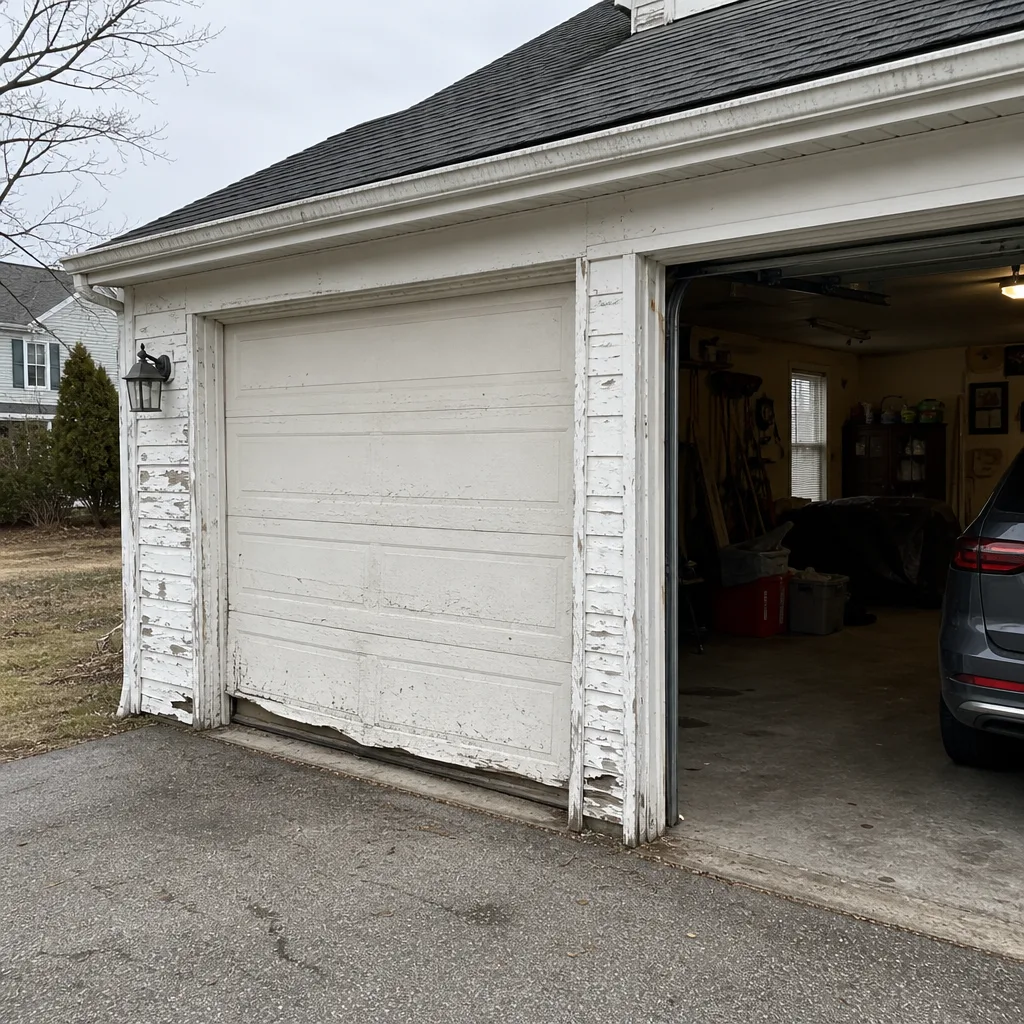 Before
 After
 Before
 After
 Before
 After