
Last updated November 15, 2026
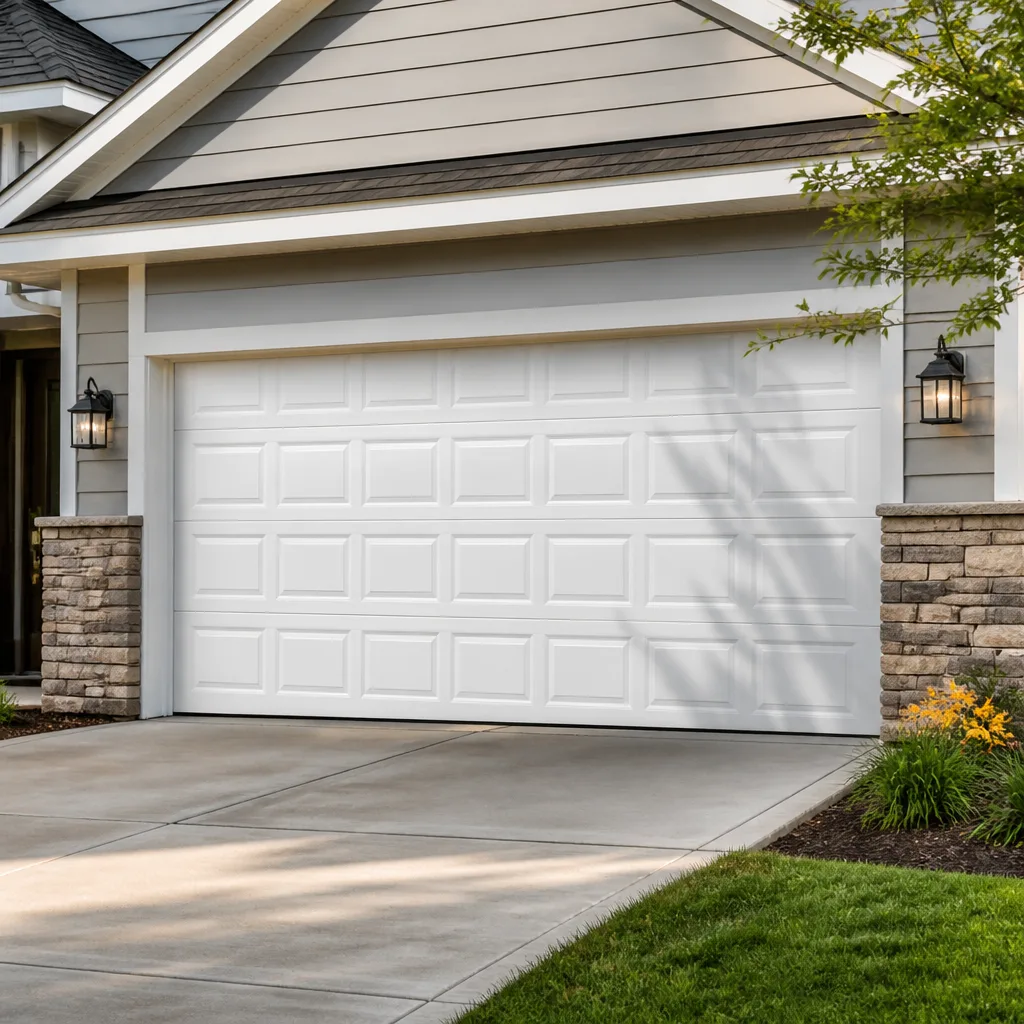 Raised-panel steel
 Carriage house
 Modern flush
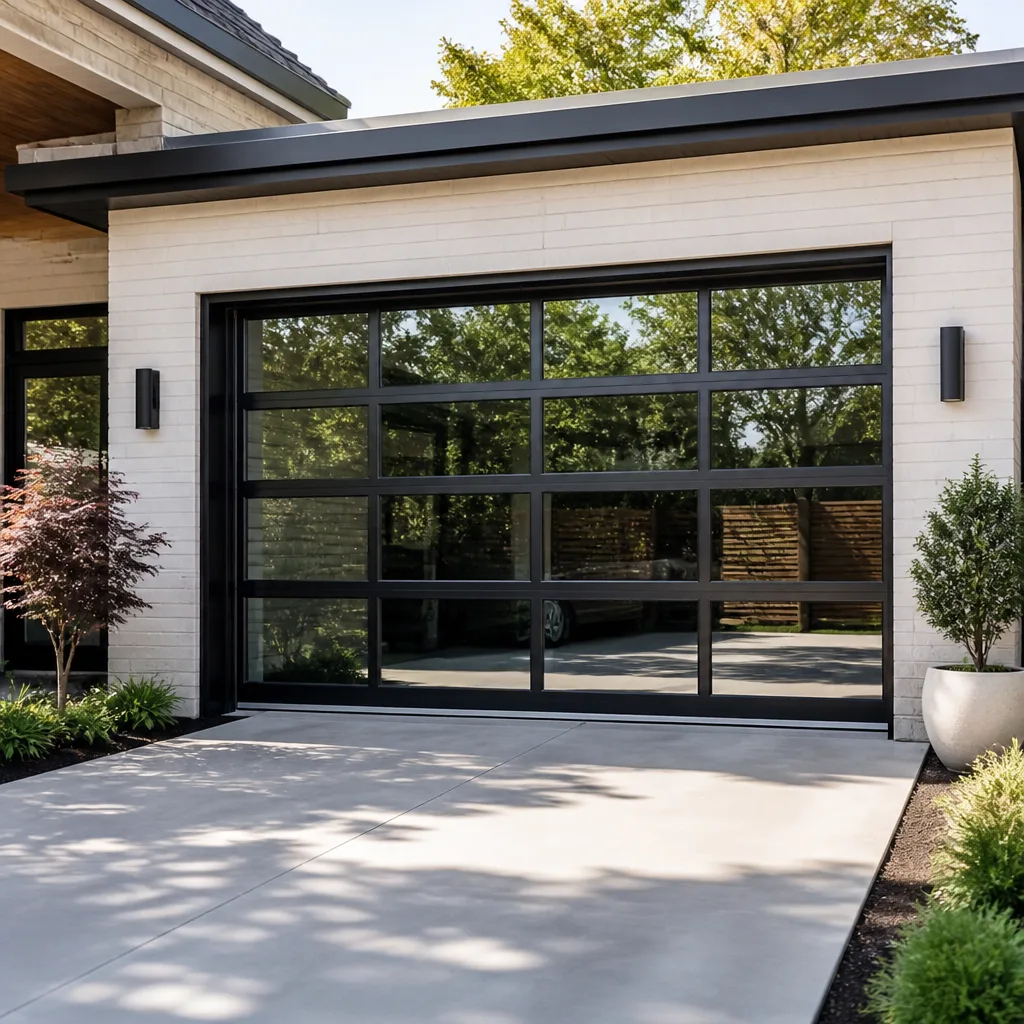 Full-view glass
 LiftMaster openers
 Chamberlain openers
Full 25-point door and opener safety check with every visit - springs, cables, rollers, tracks, and your LiftMaster or Chamberlain opener included
You get a price before we start. It does not change when the pro arrives.
Get your free estimateGarage Door Repair Maintenance Schedule: What to Do and When
The number one reason garage doors fail prematurely in New Hampshire isn’t neglect. It’s doing maintenance at the wrong time of year. A door that gets oiled in May and checked once more before the first snow is still going to grind through a February cold snap, because the parts that fail under New Hampshire winters need attention before the cold arrives, not after. In our experience across Manchester, the same small seasonal problems compound quietly when they’re caught at the wrong moment. This guide builds a maintenance calendar around the actual stress a Manchester door faces: pre-winter prep, a mid-winter check, a post-freeze inspection, and a summer tune-up. You’ll learn which tasks are safe to do yourself, which ones belong to a technician, which lubricant actually works at single-digit temperatures, and how steel, wood, and composite doors need different treatment.
Quick Answer
Maintain your garage door on four seasonal checkpoints: pre-winter prep in October, a mid-winter check in January, a post-freeze inspection in April, and a summer tune-up in July, plus a 60-second balance test once a month. Homeowners can handle lubrication, visual inspection, and the balance test safely; spring tension, cables, and opener motor work should go to a trained technician. Matching the task to the season is what keeps a door in Manchester running smoothly for its full service life.
Styles & brands we work with
- Raised-panel steel
- Carriage house
- Modern flush
- Full-view glass
- LiftMaster openers
- Chamberlain openers
Table of Contents
- Why a Seasonal Schedule Beats a Generic Checklist
- October: Pre-Winter Preparation
- January: The Mid-Winter Check
- April: Post-Freeze Inspection
- July: Summer Tune-Up
- The Monthly 60-Second Balance Test
- What You Can Safely Do vs. What Needs a Technician
- Choosing the Right Lubricant for Cold Weather
- How Material Changes the Schedule
- Common Mistakes to Avoid
Why a Seasonal Schedule Beats a Generic Checklist
Most garage door maintenance advice you’ll find online is written for a generic climate and repeated on every site that wants to rank for the phrase. It says to lubricate the door twice a year and inspect it regularly, which is fine as far as it goes but tells you almost nothing useful when your door faces a Manchester winter. The stresses on a garage door aren’t constant through the year. They peak at predictable moments, and the maintenance that matters in April is completely different from the maintenance that matters in October.
Here’s the seasonal logic. In Manchester, garage doors spend a large stretch of the year cycling through freeze and thaw, salt and grit on the roads, and indoor humidity from a heated garage meeting cold door hardware. The metal parts that hold tension and the rollers that carry the weight work hardest when those cycles are most extreme. A door that gets a light tune-up in the mild months but nothing before the cold arrives is entering its toughest season with the least preparation. Setting up a schedule that corresponds to those seasonal stresses is the single biggest thing a homeowner can do to extend the life of a door, and it costs almost nothing.
We think about maintenance this way because it’s the only way that makes sense in New England. When we look at a door that’s struggling, the question is never just “what’s broken” but “what season did this fail to survive.” A spring that snapped in January and a cable that frayed in March usually have the same root cause: something worn in October that nobody caught. Building the calendar around Manchester’s climate is how you catch the small things before they become the expensive ones. If you’d rather hand the whole schedule to a specialist, that’s what Radiant Garage Door Repair does.
October: Pre-Winter Preparation
October is the single most important checkpoint in the year, and it’s the one homeowners skip most often. Everything you do in October is aimed at getting the door through the coldest stretch with every moving part in good shape. The goal is to find and fix the small stuff before the cold locks it in place and makes everything harder to diagnose.
- Lubricate hinges, rollers, and the torsion bar bearings. Use a silicone-based or lithium grease made for cold temperatures, never WD-40. A proper cold-weather lubricant stays put when the mercury drops, while a thin spray lubricant evaporates or stiffens and leaves you with the exact grinding that appears in December.
- Inspect the weather seal along the bottom and sides. The bottom seal is the first line against drafts, snow melt, and small animals looking for warmth. If it’s cracked, hard, or pulling away, replace it before the cold sets it in place. This is an inexpensive part that pays for itself in heating comfort.
- Check the gaps and alignment. A door that closes unevenly lets cold air in from one side and will bind against the jamb once things contract. A technician can adjust the track and hardware to bring the door back into square.
- Test the auto-reverse safety feature. Place a block of wood under the door’s path and let it close. It should reverse on contact. Test the photo-eye safety sensors by passing an object through the beam. If either fails, fix it before winter, when a jammed door in a cold garage is a genuine hazard.
- Look at the springs and cables visually, no touching. If you see a gap in a spring, a frayed cable, or rust that looks structural, that’s a call to a technician. Do not attempt to adjust tension yourself. This is one of the most dangerous parts of the entire system.
- Tidy the garage floor and the track path. Snow shovels, salt bags, and seasonal clutter end up dragged against the door, blocking the track and bending brackets. Clear the path before the season starts.
When doors in Manchester get their October work done on time, the January and February calls drop off sharply. It’s the most effective single step on the calendar.
January: The Mid-Winter Check
The January checkpoint is a lighter one, mostly because the heavy lifting is done. The purpose here is to catch problems that winter exposure has already introduced, and to make sure the door isn’t silently getting worse. In Manchester, January is when the freeze-thaw cycle is in full swing and the salt and grit on driveways and roads start finding their way onto door hardware.
What to check in January:
- The bottom seal again. It’s the part that takes the most abuse from ice, snow, and salt. Check for sagging, tearing, or a gap that’s letting cold air in.
- The rollers. Cold makes a worn roller much noisier. If the door suddenly sounds like it’s grinding through every opening, the rollers are the likely culprit. A quick visual check tells you whether they’re rough, flat-spotted, or coated in grit.
- The track. Look for ice, packed snow, or salt residue inside the track. Clear it gently with a stiff-bristled brush. Don’t pry or hammer at the track when it’s cold; the metal is more brittle in low temperatures and will bend rather than flex.
- The opener. Listen to the opener. Grinding, humming without moving, or a door that jumps then stops all point to the opener straining against a door that’s binding or out of balance. Opener problems often have their roots in door problems, and diagnosing the door first is how you avoid replacing a motor that was never the issue.
- Safety sensors. Fog, frost, or a dirty lens on the photo-eye sensors can cause the door to refuse to close. A soft cloth and a quick wipe usually solves it.
- The balance test. Run the monthly balance test described below.
A door that grinds through January usually needs a technician to look at the hardware. It’s better to call than to wait for the door to jam in the cold. That’s the kind of thing a proper garage door repair visit handles quickly.
April: Post-Freeze Inspection
April is the diagnostic checkpoint. The freeze is over, the ground has shifted, and the door has just come through its hardest stretch. The work in April is to find out what winter broke so you can fix it before the summer heat and, more importantly, before the next winter makes it worse. If October is prevention, April is the exam.
- Inspect the entire door for rust and corrosion. Salt and grit from Manchester roads, plus the freeze-thaw moisture, are the two main causes of rust on steel doors. Surface rust is cosmetic and easy to treat. Rust that has pitted the panel or reached the seams or hardware mounts is structural and needs a technician’s assessment. Clean, treat, and repaint any surface rust on steel panels in April, before the humid summer accelerates it.
- Check the door’s balance and alignment. Ground movement around a Manchester garage foundation can shift the track slightly over the winter. If the door is rubbing on one side or feels heavier than it should, the door is out of balance. Run the monthly balance test.
- Look closely at the cables and springs again. Frayed cable strands and springs with visible wear are the most common post-winter findings. Both are technician territory.
- Inspect the weatherstrip at the bottom and the seals at the sides. Winter ice often splits a bottom seal that was fine in December. Replacing it now protects against spring rain and summer insects.
- Oil and lubricate. Same products and technique as October. A fresh lubrication now prepares the door for the summer downtime and the next cold season.
- Clean and treat the paint or finish. A steel door benefits from a wash and a coat of wax or paint touch-up. A wood door, as we cover below, needs a fresh coat of finish. A composite door usually needs only a wash.
If you’re in Manchester and want a trained eye on what winter did, an April Manchester inspection is worth the call. It’s far cheaper than discovering the problem in October.
July: Summer Tune-Up
The July checkpoint is light work in a comfortable season. Its purpose is twofold: prepare the door for the hot months, when heat can warp or soften some materials and put extra strain on the opener, and set up the door so it’s ready for the October work without surprises. Think of July as the halfway tune-up that keeps the calendar on track.
July tasks:
- Lubricate again. Same cold-safe products you use in the rest of the year. Summer heat dries out thin lubricants fast, so if you’re seeing more squeaking this is the time.
- Check the opener’s force and travel settings. A trained technician can test these and confirm the door isn’t secretly working against a force limit that’s masking wear. Too often a homeowner increases the force to compensate for a stiff door; the real fix is the door hardware, not a stronger motor. If your opener is struggling to lift the door in the summer heat, that’s a sign the door has something going on, and a garage door opener repair appointment should include a door inspection.
- Wash and inspect the panels. Look for dents, cracks, cracks at the hinges, or anything that loosened over the year. Heat expansion tends to reveal fasteners that weren’t tight.
- Inspect the balance and run the monthly test.
- Check the seal and the weatherstrip. Summer is when a bottom seal can dry out and crack from sun exposure on the southern face of the door. Replace if it’s hardened or split.
- Plan the October work. This is the time to book the thermostat-level jobs before the fall rush.
The July tune-up is also the moment to catch a door that’s drifting out of adjustment. In Manchester, the door that gets its summer service is a door that arrives at October in good shape.
The Monthly 60-Second Balance Test
The balance test is the single best habit a homeowner can build. It takes about 60 seconds, requires no tools beyond a hand-disconnect of the opener, and catches the most common reason a door shortens its own service life. Here’s how it works:
- Close the door and pull the manual release cord to disconnect the opener. The door should now be free to move by hand.
- Lift the door about halfway to waist height and let go.
- A balanced door should stay where you left it, roughly in place, without drifting down or springing up.
- If the door falls down on its own, the springs have lost tension or are failing. If it flies up on its own, the springs are over-tensioned. Either way, stop lifting it by hand and call a technician.
- Reconnect the opener only after the door is confirmed balanced.
Why does this matter? An unbalanced door is a door whose opener is doing work the springs should be doing. Over time, that extra load wears the opener motor, the drive gear, and the belt or chain far faster than their rated life. A homeowner who runs the balance test monthly catches a failing spring in week one instead of discovering a dead opener months later. In our experience, the doors that need a full opener replacement most often have an unbalanced door as the underlying cause. Running the test once a month, every month, for the life of the door, is how you avoid that. Our technicians have up to 10 years of experience watching this exact chain of events, and it’s one of the easiest problems to prevent.
What You Can Safely Do vs. What Needs a Technician
A clear line separates what a homeowner can and should do from what belongs to a trained technician. This isn’t about skill level; it’s about the risk of serious injury. Garage door springs and cables are under very high tension, and a mistake can cause severe injury. A responsible specialist tells you to keep away from parts that are genuinely dangerous, whether you’re handy or not.
Homeowner-safe tasks:
- Lubricating hinges, rollers, and the torsion bar bearings with a proper cold-weather product
- Cleaning and treating surface rust on steel panels
- Washing and inspecting the door
- Wiping down the photo-eye safety sensors
- Testing the auto-reverse feature with a block of wood
- Clearing grit and ice gently from the track
- The monthly balance test
- Replacing the bottom weather seal (a straightforward mechanical part)
Tasks that need a technician regardless of skill level:
- Adjusting or replacing torsion springs and extension springs
- Inspecting and replacing cables
- Adjusting the track and re-squaring the door
- Diagnosing and repairing the opener’s motor, logic board, or safety sensor wiring
- Testing and setting opener force and travel limits
- Realigning hinges and ball-bearing brackets that carry the door’s weight
Springs and cables are the parts where we’re most insistent: a homeowner should never attempt to adjust tension or replace a cable. If your visual inspection reveals a broken spring or a frayed cable, stop and call. It’s that simple. The rest of the list is what a routine service visit handles, and doing the safe tasks yourself is the best way to keep the professional ones rare.
Choosing the Right Lubricant for Cold Weather
Most homeowners reach for WD-40, and it’s the wrong choice for a garage door. WD-40 is a light spray that’s great at loosening a stuck bolt or displacing moisture, but on hinges and rollers it evaporates or thins out in a few weeks and leaves you with the same friction and noise. In a New Hampshire winter, it’s essentially gone by the first hard cold snap. The right product is a silicone-based grease or a lithium grease designed for low temperatures. It’s inexpensive, generally under $10 at any hardware store, and it stays in place through the cold while the cheap spray dries out. It also lasts roughly twice as long between applications, so you use less of it and the door runs smoother for longer.
What to look for on the label:
- Silicone-based grease or a lithium complex grease rated for cold temperatures
- No PTFE or spray lubricants as your primary door lubricant. A spray is fine for a quick touch-up, but it’s not the maintenance product.
- Rust-inhibiting properties where you can. In Manchester, the salt and grit from the roads make corrosion protection worth having.
Apply a small amount to each hinge, each roller stem, and the torsion bar bearings. A little goes a long way; over-greasing attracts grit and does more harm than good. Wipe off any excess on the track itself; the track should be clean and dry, not greasy. If you’re unsure which product is right for your door, any technician can point you to the right one during a routine service visit.
How Material Changes the Schedule
This is a gap most generic maintenance guides leave out entirely: a steel door, a wood door, and a composite door need different care, even on the same seasonal calendar. If you have steel (most Manchester garages do), the calendar above is your baseline, and the emphasis is on rust prevention: wash, treat, and wax in April and again in July, and watch the bottom edge and hardware mounts for corrosion. A steel door from a manufacturer like Clopay or Amarr holds up well with consistent surface care, and most homeowners can do that themselves.
Wood doors need more. A wood door expands and contracts with humidity, which in Manchester means the bottom rail, the stiles, and the panel seams are where trouble starts. Wood needs a fresh coat of exterior finish roughly every few years, and the finish should be checked in April and July for cracking, blistering, or bare spots. Bare wood exposed to a New Hampshire winter will take on water, stain, and rot from the inside out. A wood door is also the one most likely to need a technician’s eye on the balance, because moisture-driven movement warps a door out of square over time.
Composite doors, sometimes called composite or engineered doors, are the easiest to maintain: a wash with mild soap and water, an annual inspection for cracks around the hardware and the bottom rail, and the usual lubrication and balance test. They don’t rust like steel or move as much as wood, but a crack in a composite panel is a structural issue worth a technician’s eye. Whether your door is a Wayne Dalton composite or a wood door from a premium line, matching the care to the material is what keeps the door looking right and working smoothly through a Manchester year.
Common Mistakes to Avoid
- Lubricating with WD-40. It dries out or stiffens in the cold and leaves you with the same grinding noise by December. Use a cold-rated silicone or lithium grease instead, and reapply it as part of each seasonal checkpoint.
- Doing all the maintenance in the spring and forgetting October. A door that gets oiled in May and checked again before the first snow is still going into winter unprepared. The October preparation is the one that matters most in Manchester.
- Forcing the door when it’s binding. A door that jams in the cold and gets forced will bend the track or the panel and turn a simple adjustment into a replacement. Stop and call.
- Turning up the opener force to compensate for a stiff door. If the door needs more force to move, the real problem is the door, not the motor. Increasing the force just pushes the opener’s motor harder and shortens its life.
- Touching the springs or cables. These are under very high tension, and adjusting them without training is one of the most common sources of serious garage door injuries. Visual inspection only, and call a technician for anything else.
- Ignoring a split bottom seal. In Manchester, a split seal lets in cold air, snow melt, and small animals, and it also lets grit onto the floor that gets tracked directly into the door’s track. It’s a cheap part that prevents expensive problems.
- Skipping the monthly balance test. A spring that’s losing tension will fail eventually, and the balance test is how you catch it before it fails. Two minutes a month is the highest-return task on the list.
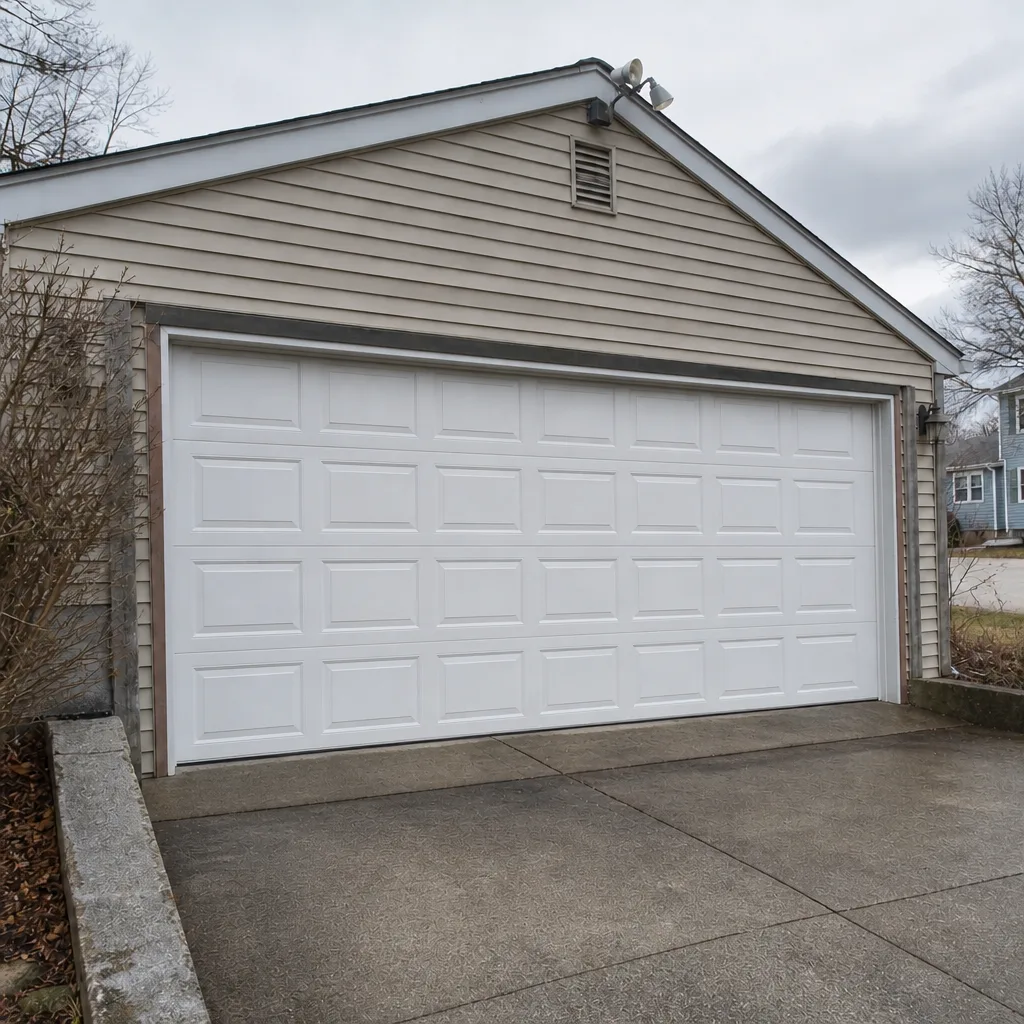
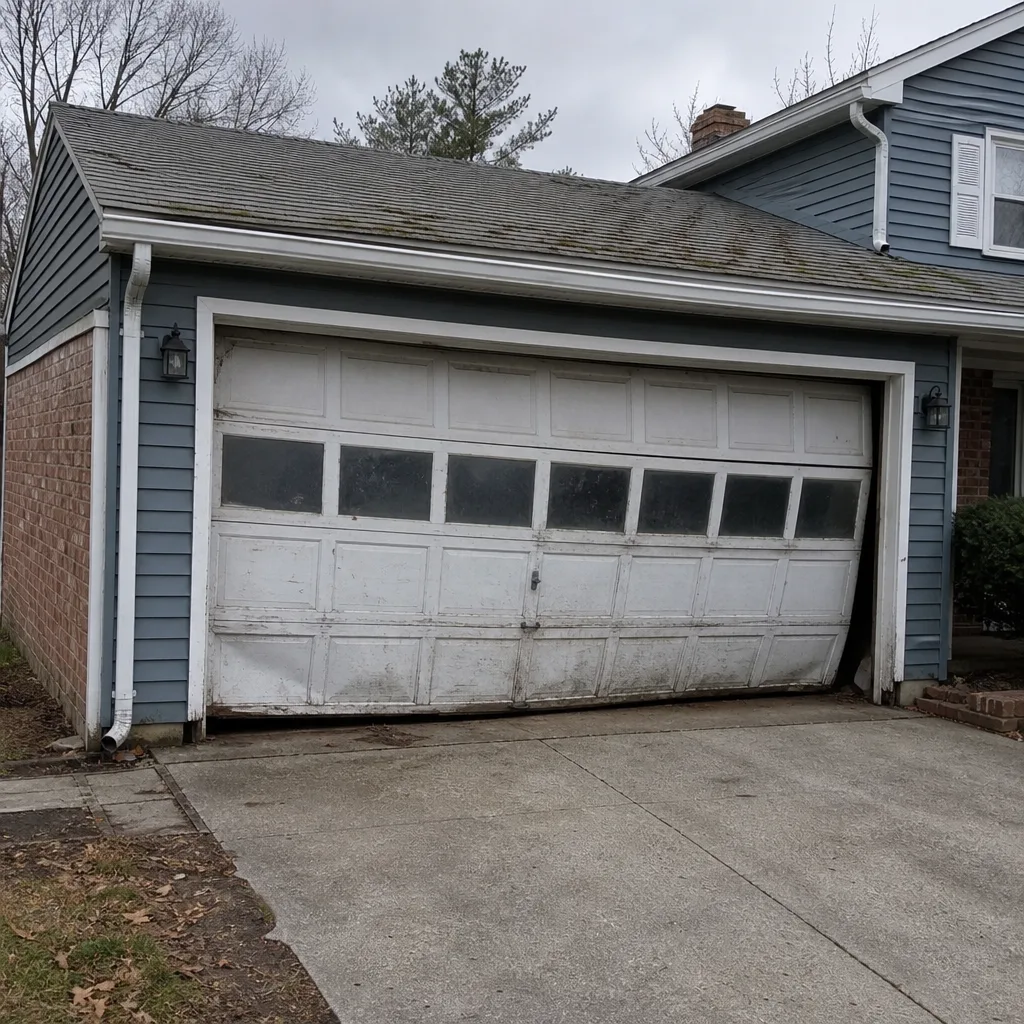
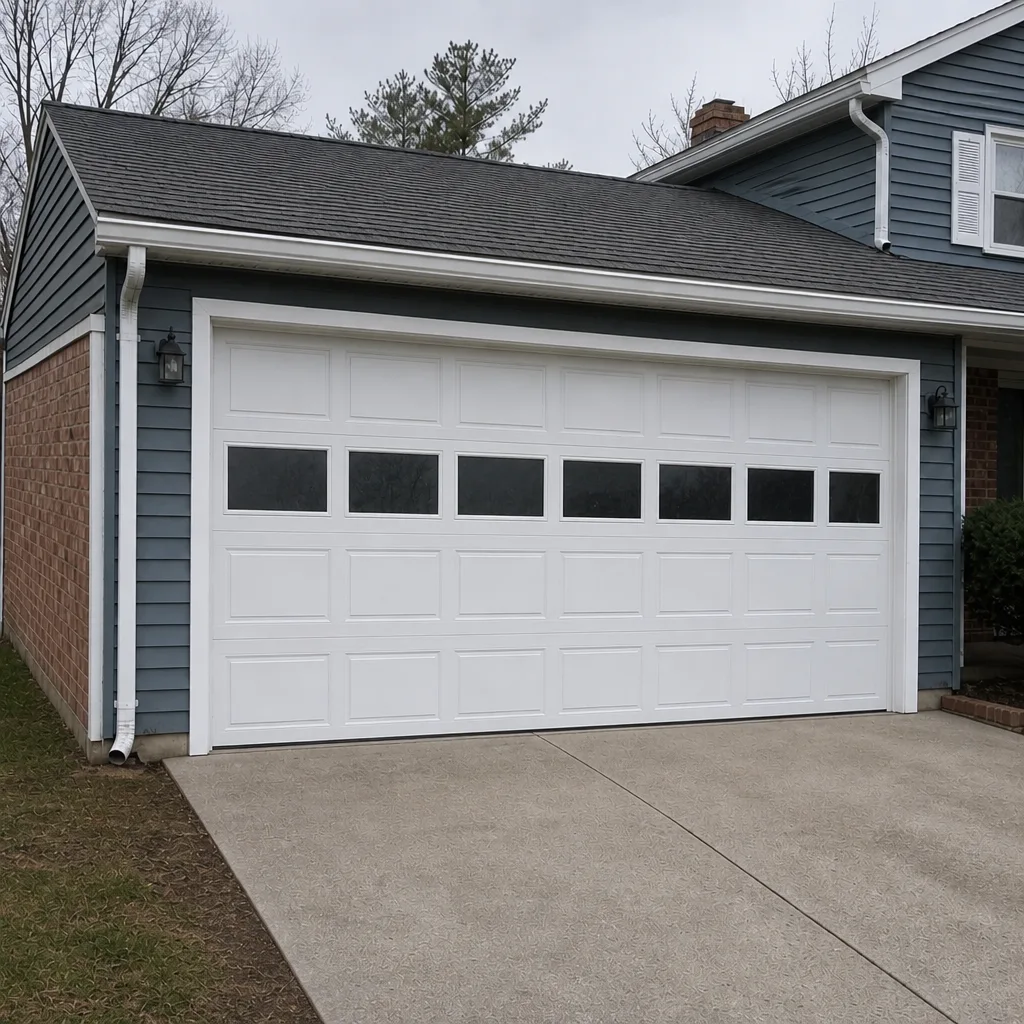
See the difference
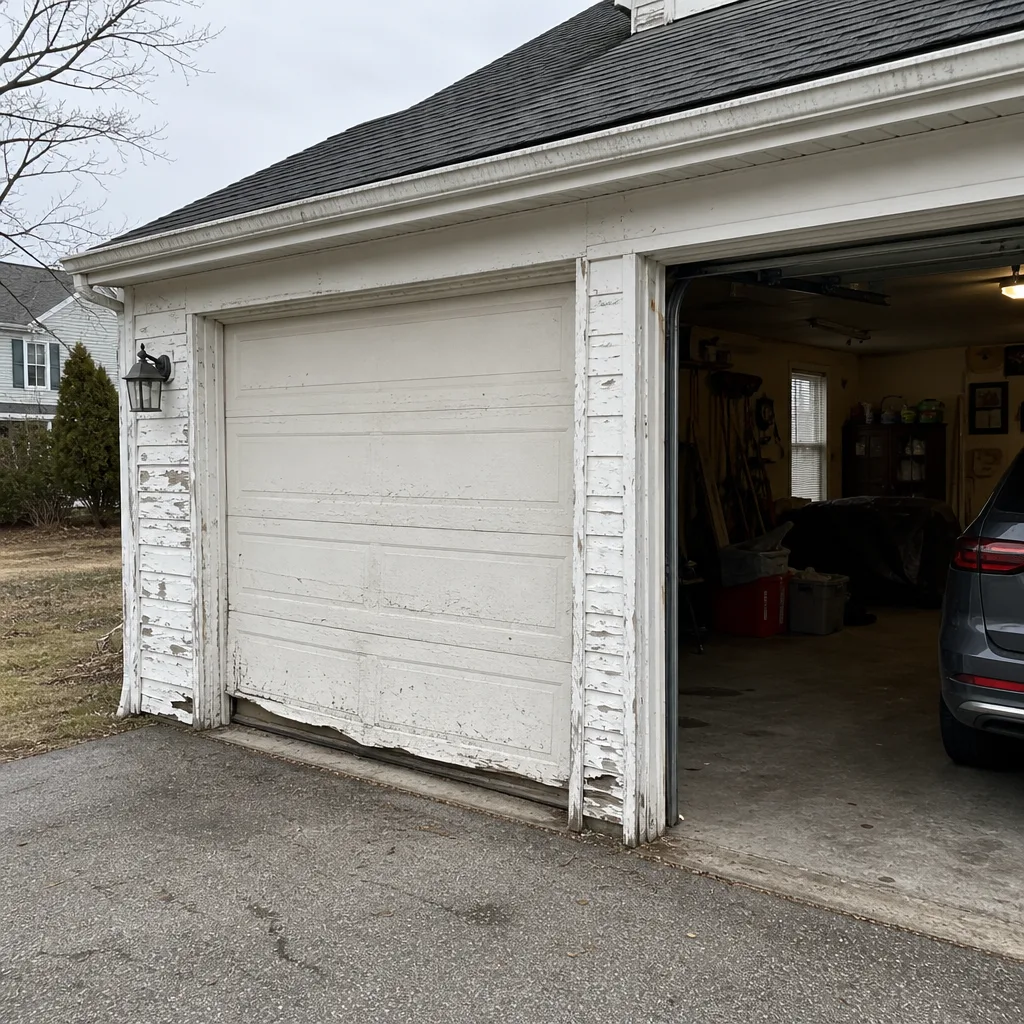 Before
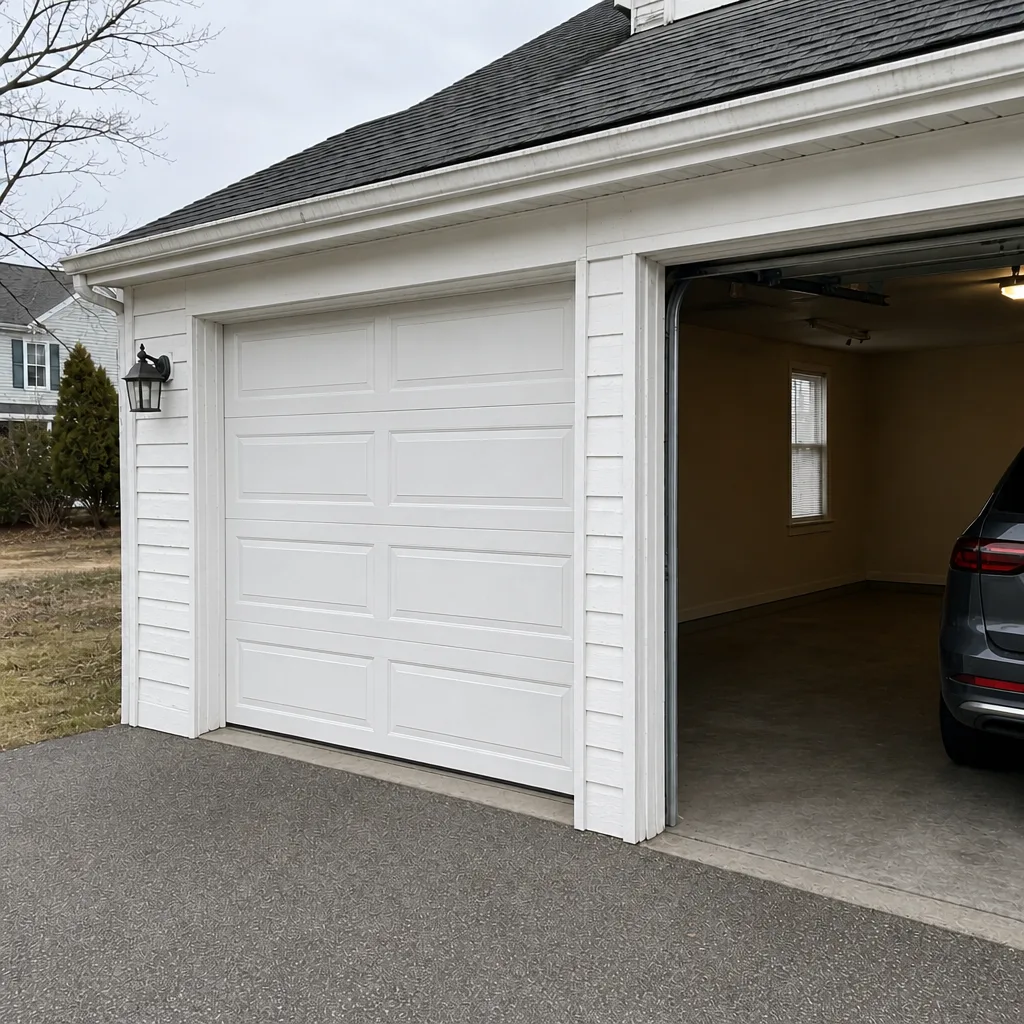 After
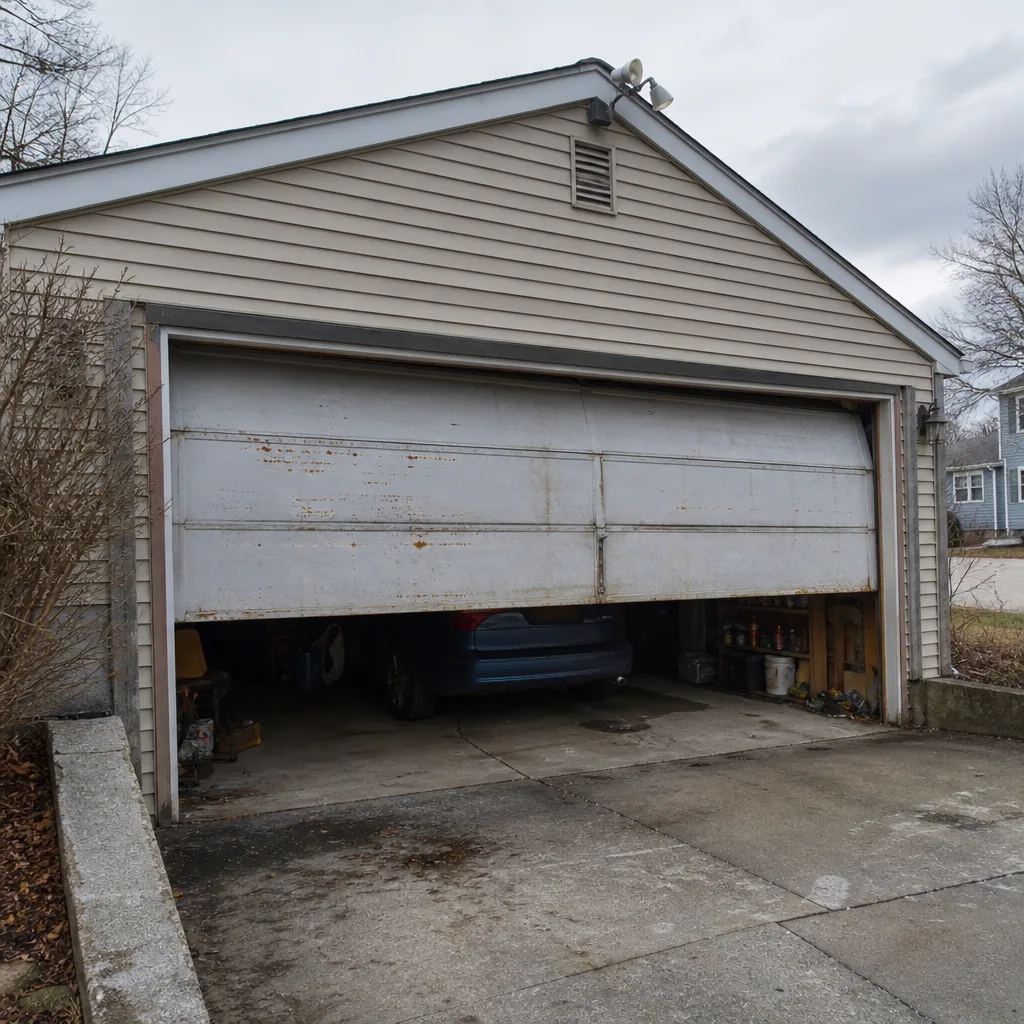 Before
 After
 Before
 After
When to Call a Professional
Call a professional the moment your visual inspection turns up a broken spring, a frayed cable, a door that hangs unevenly, or a door that drops on its own during the balance test. Call us if your opener is humming without moving, if the door reverses before closing, or if the door has suddenly become much harder to lift by hand. Any of those point to a problem that a routine service visit will fix quickly, and leaving them alone makes them worse. A door that’s grinding, squealing, or scraping the track needs a technician’s eye before the noise becomes a breakage. In Manchester, Radiant Garage Door Repair offers free estimates and works on the full range of doors and openers, including the brands you know from Genie, Clopay, Amarr, and Wayne Dalton. Our technicians have up to 10 years of experience and can diagnose the issue correctly, whether it’s a door or the opener. Call (888) 459-1302. We answer 24/7. Fast dispatch from 7am to 7pm, Sunday through Friday.
Frequently Asked Questions
Four times a year is the right cadence for a Manchester garage door: October pre-winter prep, January mid-winter check, April post-freeze inspection, and July summer tune-up, plus a monthly balance test. Matching the service to the season is what keeps a door in good shape through a New Hampshire year. Call (888) 459-1302 for an exact quote; estimates are free.
No. Garage door springs are under very high tension and adjusting them without training is one of the most common sources of serious injury. Stick to the homeowner-safe tasks (lubrication, visual inspection, the balance test) and call a technician for anything involving springs, cables, or the opener’s motor. Call (888) 459-1302 to book a technician; estimates are free.
Use a silicone-based grease or a lithium complex grease rated for cold temperatures, not WD-40. The right product stays in place through a New Hampshire winter, generally costs under $10, and lasts roughly twice as long between applications. Call (888) 459-1302 if you’d like a technician to recommend the right product for your door; estimates are free.
Disconnect the opener with the manual release cord, lift the door to waist height, and let go. A balanced door stays where you left it; one that drops or springs up needs a technician. Run the test once a month, and call (888) 459-1302 if the door fails; estimates are free.
Yes. Steel doors need rust prevention: wash, treat, and wax the panels in April and July. Wood doors need a fresh exterior finish checked every few years plus a watch for moisture-driven warping. Composite doors need only a wash and an annual inspection. Call (888) 459-1302 if you’re unsure what your door needs; estimates are free.
Yes. Grinding in the cold usually means the rollers or hinges are dry, or the bottom seal is binding against the jamb. It may also point to a spring that’s losing tension, which is why we recommend a technician’s eye in January rather than waiting. Call (888) 459-1302 to get it looked at; estimates are free.
The Bottom Line
A garage door maintenance schedule that sticks to a generic twice-a-year checklist doesn’t match the stress a Manchester door actually faces. The right calendar is October pre-winter prep, January mid-winter check, April post-freeze inspection, and July summer tune-up, plus a monthly 60-second balance test. The homeowners who stay on that schedule catch small problems before they compound, use a cold-rated lubricant instead of WD-40, and match their care to their door’s material. When something turns up that belongs to a technician, stop and call us. Radiant Garage Door Repair is a residential garage door specialist, and our technicians have up to 10 years of experience getting a door back to working the way it should.
Written by the team at Radiant Garage Door Repair.