
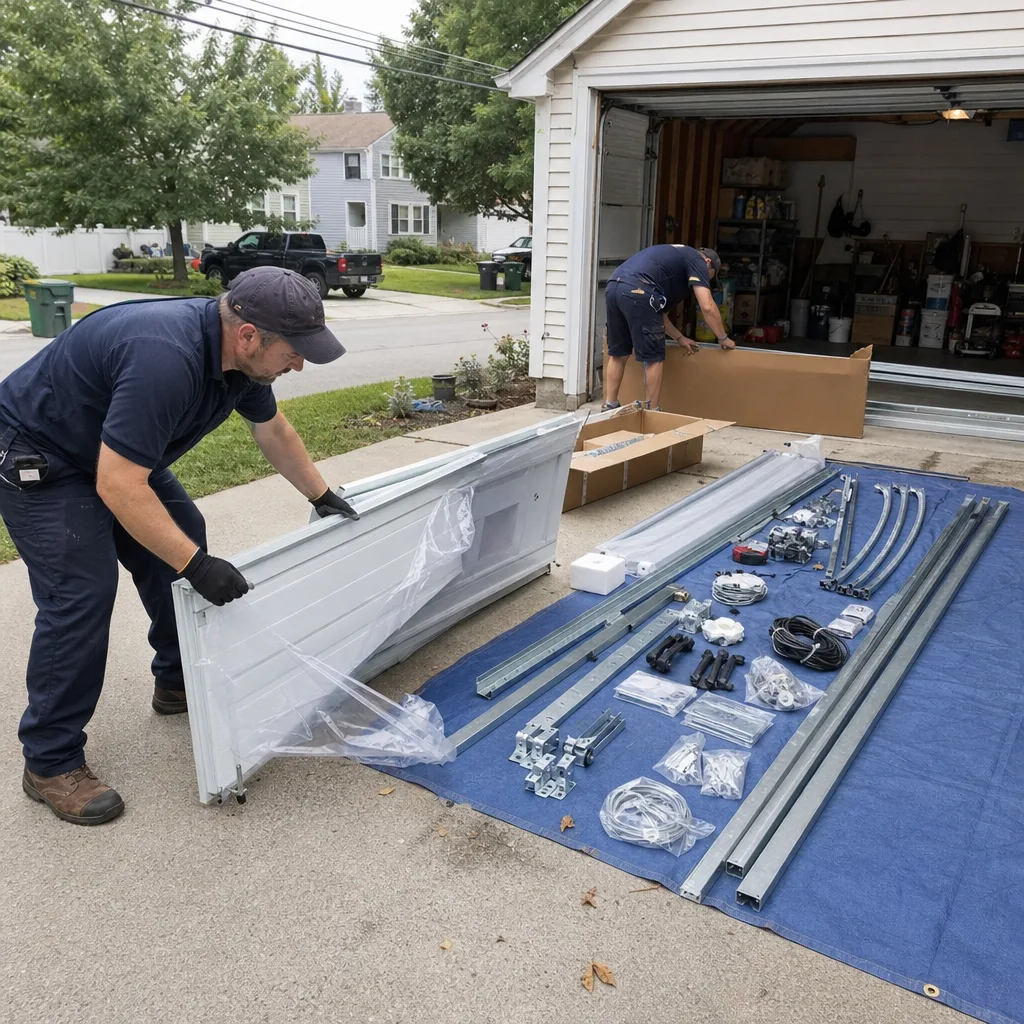
Last updated November 15, 2026
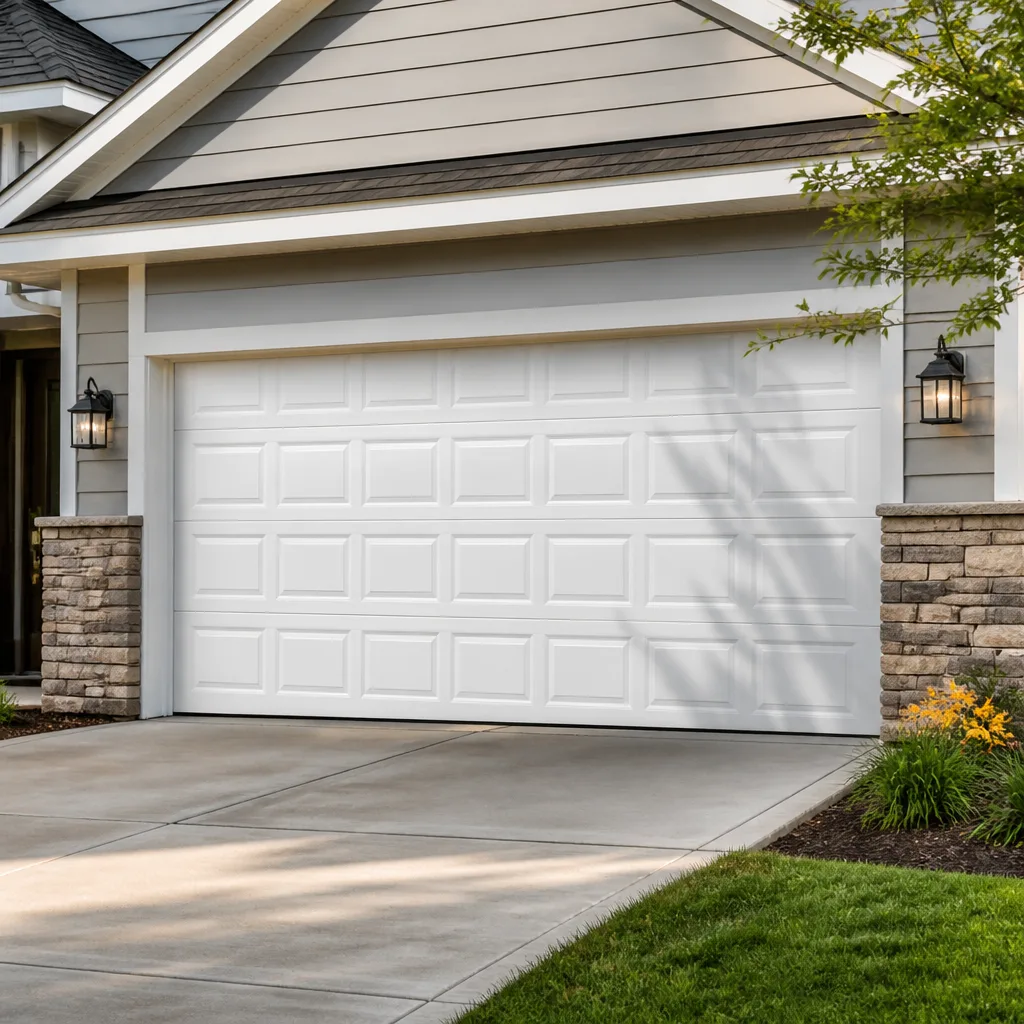 Raised-panel steel
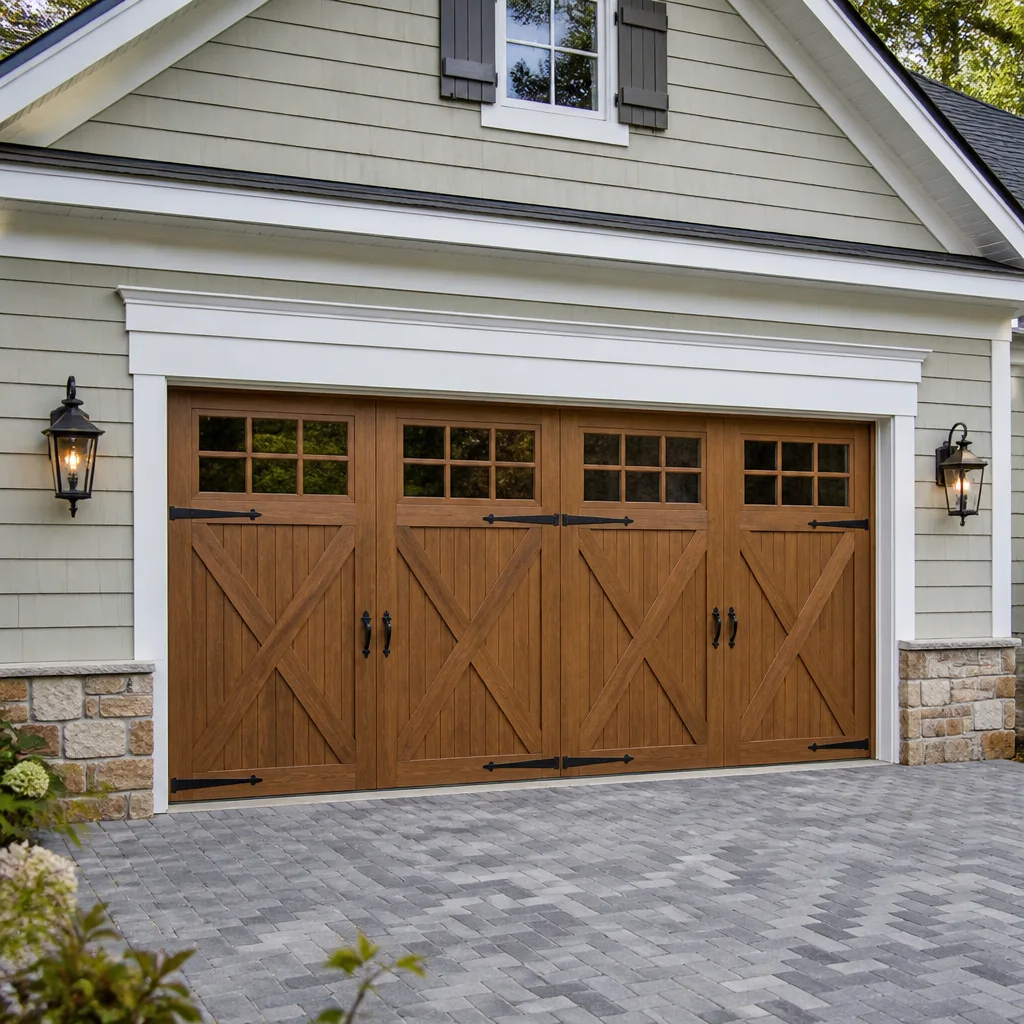 Carriage house
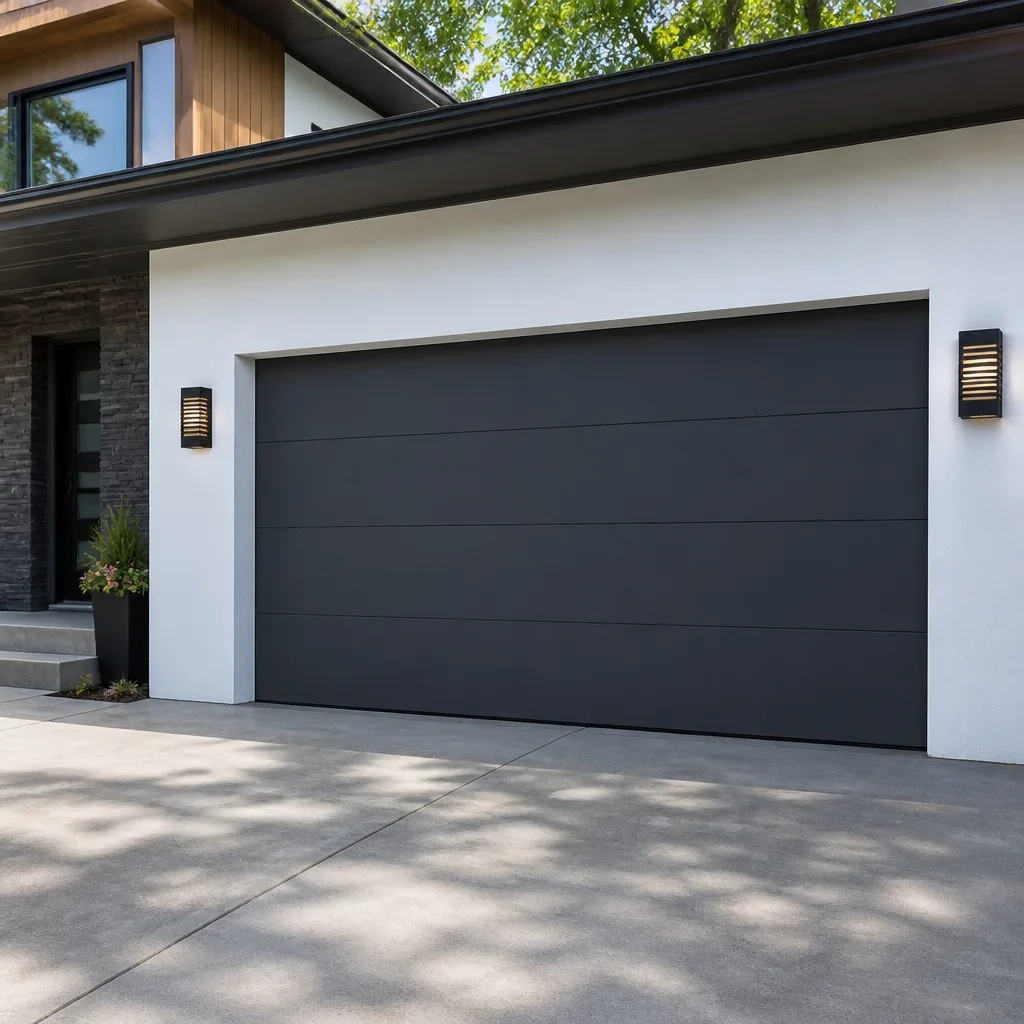 Modern flush
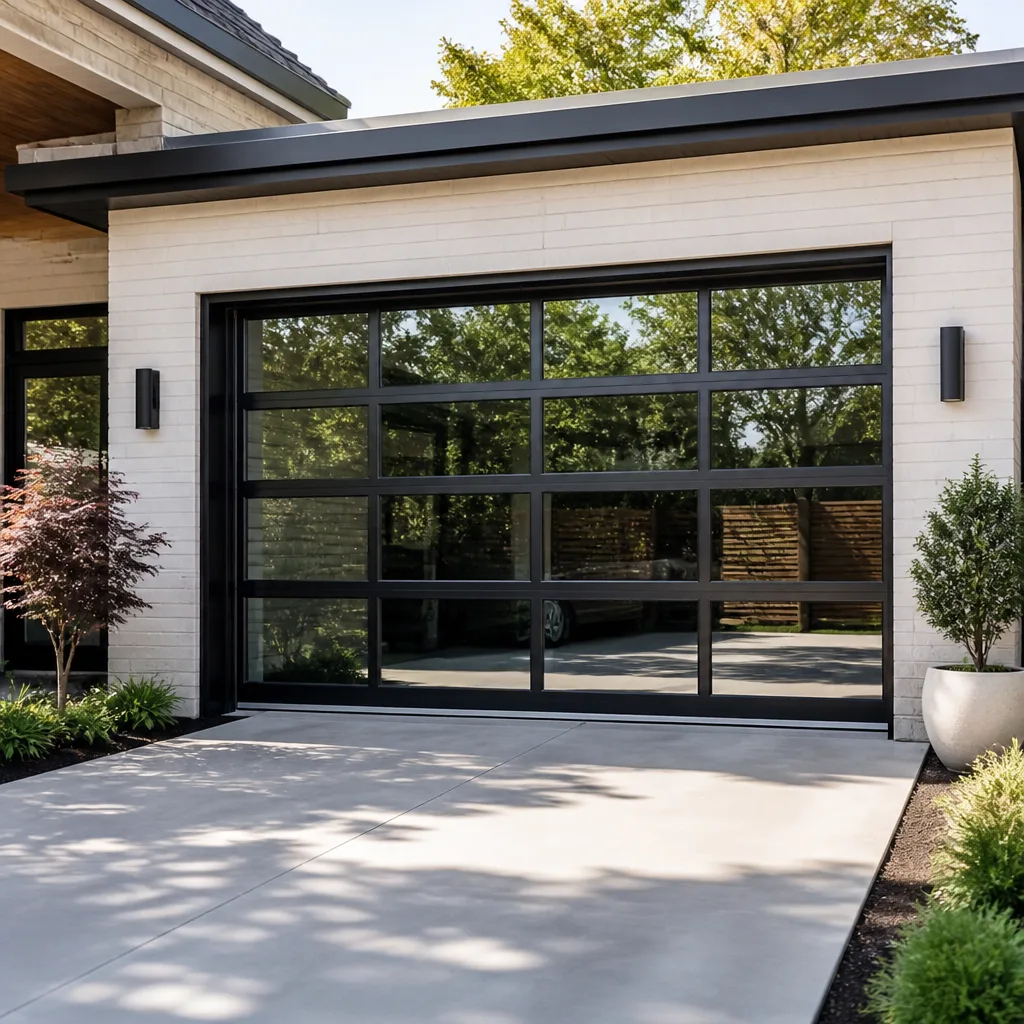 Full-view glass
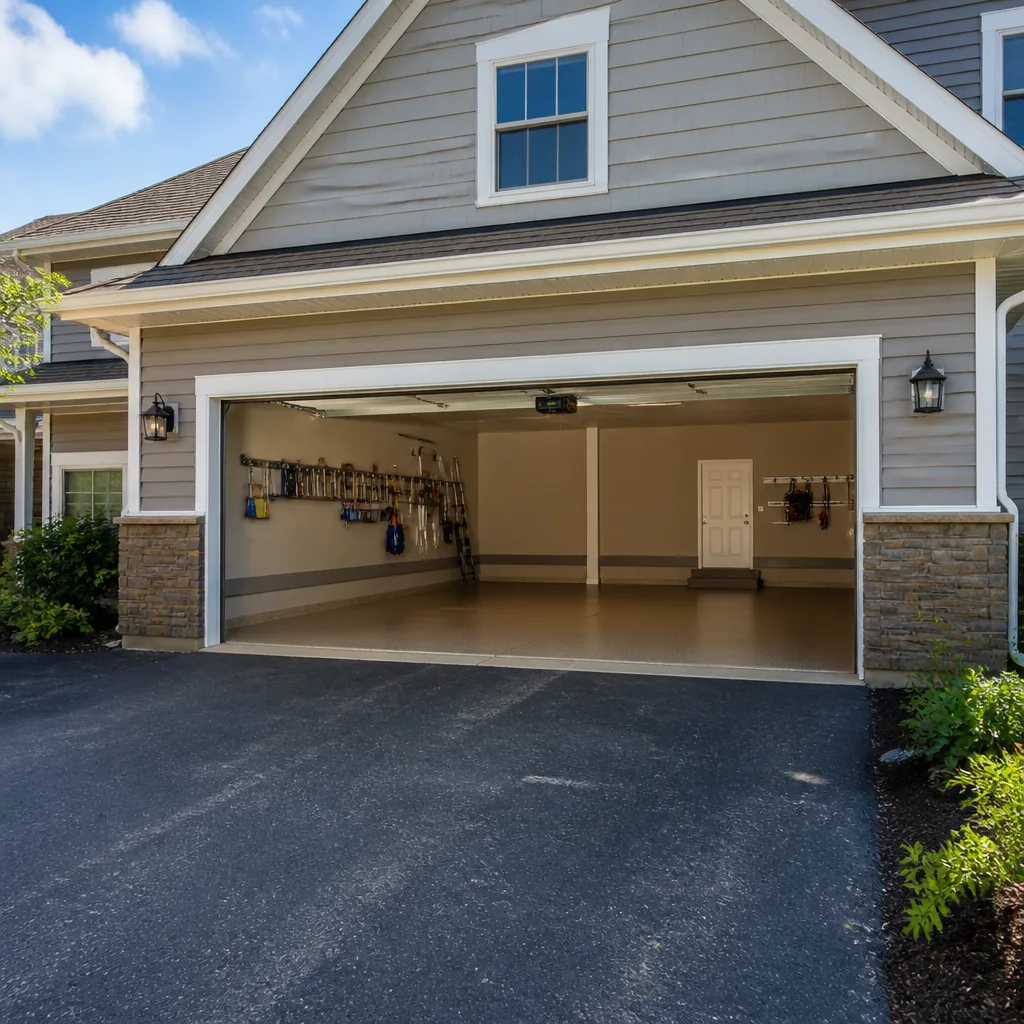 LiftMaster openers
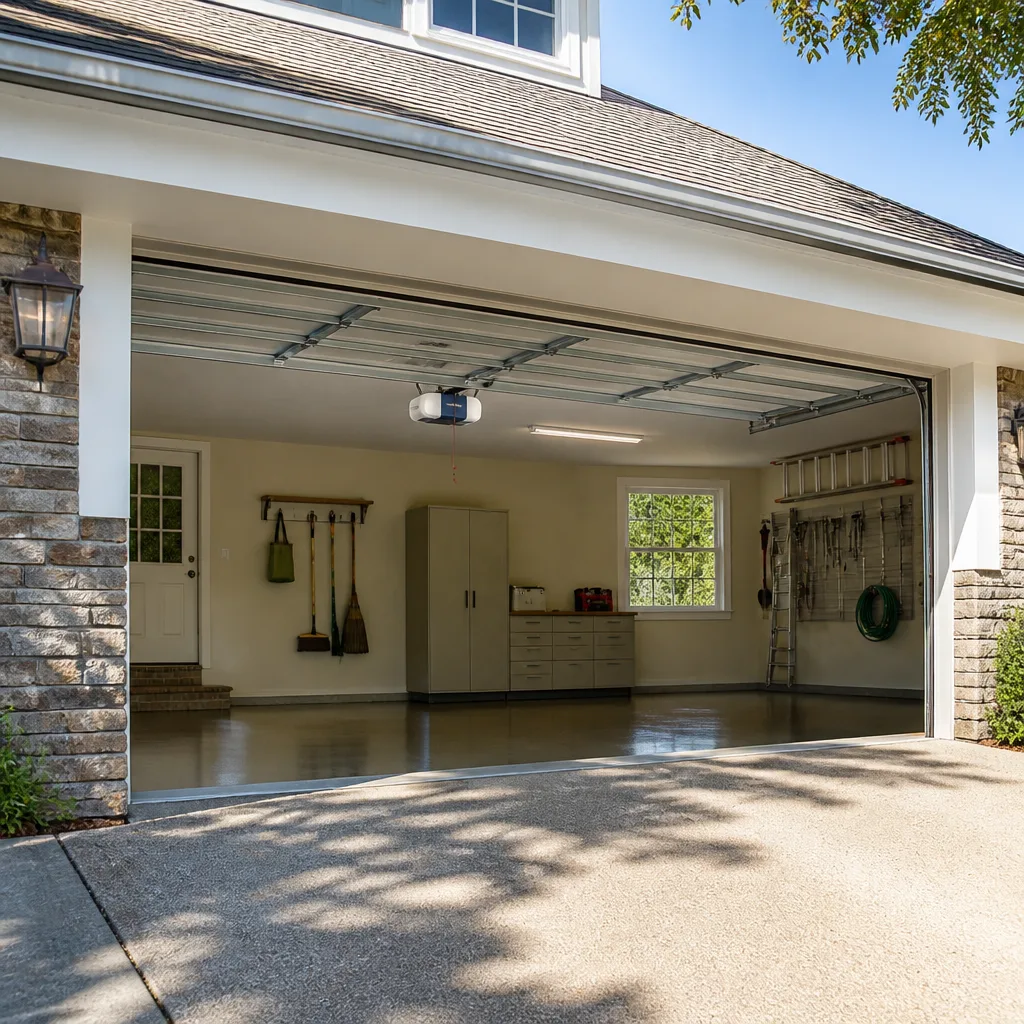 Chamberlain openers
Full 25-point door and opener safety check with every visit - springs, cables, rollers, tracks, and your LiftMaster or Chamberlain opener included
You get a price before we start. It does not change when the pro arrives.
Get your free estimateSeasonal Garage Door Care for Manchester: Year-Round Homeowner’s Guide
The spring that snaps in January usually didn’t fail because of the cold. It failed because of what was neglected the previous August, when the door felt fine and nobody thought about it. Manchester‘s four seasons don’t just reshape your yard and your heating bill; they work on your garage door in four distinct ways, and the homeowners who treat seasonal care as a single annual task are almost always the ones making a panicked call in February. This guide breaks the year into a month-by-month calendar built around Manchester’s actual climate, from the humidity of late summer to the freeze-thaw cycles of March. You’ll learn what to check, when to check it, and which tasks are safe to handle yourself.
Quick Answer
Seasonal garage door care in Manchester comes down to four anchor points per year: an opener force and balance check before winter, a humidity inspection of wooden panels and bottom seals in late summer, a threshold and spring tension review as temperatures drop in fall, and a floor and alignment check after spring thaw moves the concrete. Spreading care across the calendar instead of bundling it into one weekend is what prevents most emergency calls. If a door won’t balance, a spring looks stretched or unusual, or a panel has separated from the track, stop and call a trained technician rather than testing it yourself.
Styles & brands we work with
- Raised-panel steel
- Carriage house
- Modern flush
- Full-view glass
- LiftMaster openers
- Chamberlain openers
Table of Contents
- Why Manchester’s Seasons Hit Garage Doors Hard
- Month-by-Month Care Calendar
- Summer Humidity: The Season Everyone Ignores
- How to Winterize an Attached Garage Door
- What Spring Thaw Does to Your Door and Floor
- The Pre-Winter Task That Prevents January Calls
- Springs and Cables: What to Inspect and What to Leave Alone
- Common Mistakes to Avoid
- When to Call a Professional
- Frequently Asked Questions
- The Bottom Line
Why Manchester’s Seasons Hit Garage Doors Hard
Manchester sits in a climate with real winter, real summer, and everything in between, and that range is what works on a garage door. The door is the largest moving object on most homes, and every component in it responds to temperature, moisture, and ground movement. A torsion spring that behaves perfectly at 70 degrees carries a different load when the steel contracts in January. A wooden bottom seal that reads dry in February can be holding a film of moisture all through August. The same door deals with all of it.
Three parts of the system take the most seasonal punishment:
- Springs and cables. Metal expands and contracts with temperature. A cycle count that seemed normal in the fall is worked harder once the cold sets in, and the failure point is often invisible until it lets go.
- Bottom seals and thresholds. Rubber and vinyl harden in the cold and can crack. In summer, the same seals trap humidity against concrete and wood.
- The concrete floor and track alignment. Frost heave in Manchester moves garage slabs. When the floor moves, the door’s bottom seal no longer meets it cleanly, and the tracks can shift with the framing.
We work on doors across the region and see the pattern year after year: the components that fail in the cold are usually the ones that were never checked in the heat. That’s the whole reason this guide follows the calendar instead of grouping everything into a spring and fall checklist. If you need a broader overview of how a door or opener gets serviced in Manchester, that’s a good companion read.
Month-by-Month Care Calendar
Here’s a calendar you can actually follow, built around when Manchester’s weather stresses specific parts of a door. Each entry is a five- to fifteen-minute visual check unless it says otherwise. Work through them in order across the year.
- January – February: Listen for grinding, scraping or a change in the sound when the door moves, and watch it travel. Cold makes existing problems louder. Don’t try to adjust springs in freezing weather; note the symptoms and call for garage door repair if anything sounds wrong.
- March – April: After the thaw, check that the bottom seal meets the floor evenly from side to side. Look for daylight under the door. This is the month when frost-heaved slabs create gaps.
- May – June: Clean the tracks, wipe the photo-eye lenses, and check that the opener reverses on the standard test (place a small object in the path and see if the door stops and reverses). This is also the time to inspect the spring for rust streaks.
- July – August: Walk the interior of the door for wooden panels, looking for paint failure, swelling, or soft spots near the bottom rail. Inspect the bottom seal for a black, damp texture that means trapped humidity. The full humidity rundown is below.
- September – October: Adjust the opener force setting before the cold arrives (details in the pre-winter section). Check the threshold seal for hardening and cracks. Confirm that all rollers are seated and the door balances by hand.
- November – December: Lubricate the hinges, rollers and track joints, re-tighten visible bolts, and clear the tracks of any leaves or grit. A visual look at the springs, cables and drums is fine; adjust nothing.
We’ve found that homeowners who run this six-point check every year catch problems in the season they’re easiest and cheapest to fix. Problems that appear in the depths of winter are almost always rooted in a missed summer or fall task.
Summer Humidity: The Season Everyone Ignores
Manchester’s late summer humidity is harder on garage doors than winter cold in one specific way: it works slowly and silently against organic materials. Wood, rubber, vinyl and adhesive all absorb moisture, and the inside of a garage is one of the dampest unheated spaces in a home. Winter gets the attention because a broken spring is loud. Humidity gets none because the damage is invisible until a panel rots.
The two places to focus your attention between July and early September:
Wooden door panels
If your door is a wooden model from Clopay, Amarr or another maker, walk the interior face with a flashlight. Look for paint bubbles, dark spots, or a bottom rail that feels soft when you press it with a thumb. The bottom rail is closest to the concrete and the most exposed. Paint that has failed anywhere on the door lets moisture in behind it, and once it’s in, it can’t dry easily in a closed garage. Repainting or re-sealing small failures in late summer is far cheaper than replacing a rail that’s already begun to swell.
Bottom seals and weatherstripping
A rubber seal that feels gummy or shows black discoloration on the inside is holding trapped moisture against the floor. This is the classic summer failure in Manchester and easy to miss because the door still closes. Check it by sliding a hand along the floor contact point: it should feel dry and firm, not clammy. A seal that’s holding water is a candidate for replacement before the cold sets in and the rubber hardens further.
Openers and electronics
Garage interiors are humid in summer, and modern openers from LiftMaster and Chamberlain sit at the head of a damp space. If the opener is behaving oddly – missing the click on close, sensing an obstruction that isn’t there – humidity and dust on the logic board are often the cause. A technician familiar with the specific model can diagnose it in one visit and avoid replacing a component that’s actually fine. Our garage door opener repair service is often the answer here, and we handle the model-specific electronics rather than guessing.
The point bears repeating: the season when most Manchester homeowners ignore the door is the season when the slow damage happens. A single summer inspection is worth more than three winter calls.
How to Winterize an Attached Garage Door
An attached garage shares a wall with your home, and its door is the biggest thermal and air boundary between you and the cold. Winterizing it correctly is about protecting the door’s components and about making the space reasonably draught-free. Here’s what that looks like in practice, and what should be left to a professional.
1. Inspect the threshold seal
The rubber seal at the base of the door is what stops cold air and water from blowing in under the door. Lay a straight edge along the inside face of the seal and look for gaps or ripples. If you can see daylight from inside the garage with the door closed, the seal is doing less than it should. Replacement seals are inexpensive, but the fit matters. Confirm the door closes flush before winter, because a draft-filling seal that rests on an uneven floor will wear down within one season.
2. Torsion spring tension as temperatures drop
Here’s the honest part: torsion spring tension adjustments are not a homeowner task. Torsion springs are the horizontal coiled springs mounted on a shaft above the door, and they store enough energy to cause serious injury. We recommend that homeowners visually inspect those springs for rust streaks or gaps and call a technician for any adjustment. As temperatures fall, the door’s balance can change because of spring load and track contraction, and a trained technician will rebalance it correctly. Never try to tighten a spring with a winding bar yourself.
3. Lubricate the moving parts that cold affects most
Hinges, rollers and track pivot points are the parts that stiffen in the cold. A door that ran smoothly in October can begin to groan in November because the lubricant has thinned or dried. A light coat on each roller, hinge and the track pivot points in late fall makes a measurable difference in how the opener copes with cold.
4. Clear the tracks and check the photo eyes
Leaves, road grit and debris accumulate in the tracks in fall. Clean them out and confirm that the safety photo eyes at the door base are clear and aligned. The photo eyes are easy to knock off during yard work, and a misaligned beam will stop the door partway during the winter when you least want to deal with it.
5. Run the reversal test cold
Once the weather is genuinely cold, run the standard reversal test again. If the door doesn’t reverse on obstruction, that’s a safety issue and needs the opener serviced before January.
If you’d rather have the whole sequence checked properly once before winter sets in, our team can do a full seasonal assessment. We also install winter-ready doors and seals if a replacement is the right call – see our full installation options through Radiant Garage Door Repair.
What Spring Thaw Does to Your Door and Floor
Manchester’s spring is a freeze-thaw cycle that keeps working on the ground well into April. Water gets into cracks in the concrete slab, freezes at night, expands, and then thaws in the day. That cycle lifts and shifts the slab. When the floor of an attached garage moves, everything sitting on it moves with it, and the door and its tracks are the components that feel it first.
Here’s what to watch for after the thaw:
- A gap under the door. If you can see daylight along the bottom seal where it was tight in the fall, the slab has moved. Left alone, the seal wears quickly, and the gap becomes a way for water and cold air to get in.
- A door that no longer meets the frame cleanly. If the top or sides of the door show uneven gaps when closed, the wall framing or the tracks have shifted relative to each other. This is one of the most common spring findings in Manchester.
- Grinding or scraping as the door travels. When the track alignment moves out, the door’s rollers run dry against the metal. The sound is easier to notice than a misalignment to see.
- Wet concrete in the garage. Water pooling along the door apron is a sign the seal no longer rests flush. Wipe it up and treat the seal as the first suspect.
If the seal is simply worn, replacement is inexpensive. If the floor has moved enough to require re-leveling, that’s a separate concrete job before any seal replacement will last. And if the door itself is out of alignment because the track has shifted, that’s technician work – attempting to force a misaligned door back into the tracks can twist panels and damage the torsion system. Call a professional to realign it correctly.
The Pre-Winter Task That Prevents January Calls
If there’s one item on this calendar that prevents more January service calls than any other, it’s the opener force adjustment in late fall. The opener is programmed to apply a set amount of force to lift and close the door. Cold weather stiffens the door’s moving parts and changes the spring load, so the opener can find itself working against more resistance than it did in the summer. When that resistance exceeds the force setting, the opener stops the door in mid-travel and thinks it has hit an obstruction.
Here’s what the standard check looks like, and it’s something a homeowner can review:
- Disconnect the door from the opener (using the manual release on the rail).
- Lift the door halfway by hand. It should stay there with light pressure. If it sinks, or rises on its own, the spring is out of balance and needs a technician. Do not adjust anything on the spring yourself.
- Reconnect the door. Open and close it once and listen for the opener straining, pausing, or reversing before it reaches the limit.
- If it’s pausing or reversing consistently, your model’s force setting may need adjustment. Follow your opener’s specific manual – LiftMaster, Chamberlain, Genie and Craftsman all use different procedures – or call a technician who knows the exact model.
We see the same pattern every year: a homeowner who adjusted their opener’s force in January to get the door to work, only to have it fail hard in February when the real problem was a spring that had lost tension in October. The late-fall force check is the moment to catch both issues at once.
And if you’re on an older Craftsman or a legacy opener that’s been in place for years, the force setting isn’t the only suspect. Openers that are long past their service life can lose force reliability entirely. If the door and spring check out but the opener keeps misbehaving, a replacement may be the honest answer – and we install modern openers from Genie, LiftMaster and Chamberlain for a full range of smart-home setups.
Springs and Cables: What to Inspect and What to Leave Alone
Springs and cables get the loudest failure stories, and for good reason: they hold the door’s entire weight. But the honest fact is that most spring failures don’t come from cold alone. They come from a balance that drifted over months, cycle counts that add up, and rust that began in a summer when nobody was watching. Inspecting them is safe. Adjusting them is not.
What you can safely inspect
- A rust streak on the spring. Rust on a torsion spring is a warning. It means moisture has been sitting on the steel, which weakens it over time.
- A gap in the coil. A visibly stretched or separated section of a torsion spring means it has lost tension. Stop and call a technician before you run the door again.
- Cables that hang loose or angled. Lifting cables should run straight and evenly on both sides. A cable that’s slack, kinked or crossed is a safety issue, not a maintenance item.
- Scraping drums. The cable drums at the ends of the torsion shaft should be quiet. Grinding there suggests the cables are out of order.
What to leave alone
Both torsion and extension springs store enough mechanical energy to cause serious injury, and cables are under the door’s full weight. Do not touch the winding bars, do not loosen a spring to “see” whether it’s tight, and do not unwind a drum to check the cable. The reason we say this bluntly is that we’ve been called to homes where a homeowner was injured trying to save a technician visit. Springs and cables are the one part of this guide that’s a visual check and nothing more.
If you have any doubt about the springs or cables on a Clopay, Amarr or Wayne Dalton door, we can diagnose it accurately and tell you whether replacement or a spring adjustment is what makes sense.
Common Mistakes to Avoid
- Treating garage door care as a single annual task. One spring weekend can’t cover what Manchester’s four seasons do to a door. The calendar above exists because the damage from each season shows up in a different component.
- Skipping the summer humidity check. It’s the easiest season to ignore because the door still works. The wooden bottom rail and damp seal failures that show up in March usually started in August.
- Adjusting the opener’s force setting as a fix. Raising the force so the door will close is treating a symptom. If the door is stiff or off-balance, the force change masks the real problem until the opener or spring gives out.
- Lubricating only in summer. Cold is when hinges, rollers and tracks stiffen most. The late-fall lubricant pass matters as much as anything you do in the warm season.
- Forcing a misaligned door back onto its tracks. After spring thaw, a door that’s jumped the track should never be driven back by hand or by the opener. This twists panels and can damage the torsion system.
- Ignoring visible gaps at the bottom seal. A gap that appears after the thaw is easy to walk past. Once the cold returns, that gap is where water and air come in, and the seal is usually already wearing faster than it should.
- Buying a new opener when the real problem is the door. A door that’s sluggish in cold, or reverses early, might be perfectly matched to its opener. Before replacing the unit, the balance and spring tension should be checked by a technician.
When to Call a Professional
Most of this guide is honest homeowner maintenance: visual checks, seasonal cleaning, reversal tests and lubrication. Where a professional visit becomes the right call is clear once you look at the risk. Any suspected spring or cable problem is technician work, because the energy stored in those parts can cause serious injury in an instant. A door that has jumped the track or won’t balance by hand is also technician work. A misaligned door after the thaw, a bottom seal held by a shifted slab, an opener that reverses unpredictably after the force check, or a panel that has separated from the frame are all signs a professional assessment will be quicker and safer than a guess.
Radiant Garage Door Repair offers free estimates in Manchester – call (888) 459-1302. We answer 24/7. Fast dispatch from 7am to 7pm, Sunday through Friday. If you’re on an unfamiliar brand or an older opener model, our team diagnoses the actual equipment – we service eight of the most widely installed brands in residential America – rather than applying a generic fix.
Frequently Asked Questions
Late September or early October is the best single window, because it catches the summer humidity damage and prepares the door for winter in one visit. That said, a full-year approach is what protects the door; a single autumn service is a good start but won’t cover spring floor movement or summer seal issues. If you only do one thing, do the pre-winter opener force and balance check.
No. Torsion and extension springs store enough energy to cause serious injury, and adjusting them is a trained technician’s job. A homeowner can safely inspect for rust streaks, gaps, or an out-of-balance door that sinks or rises when lifted by hand halfway. Any adjustment should be handled by a professional. If you have any doubt about the springs, call (888) 459-1302 – estimates are free.
The cold stiffens the door’s hinges, rollers and tracks, and the spring load changes as the metal contracts. If your door gets noticeably harder to open once the cold arrives, the opener’s force setting may need adjustment, or the door’s balance may have shifted. Both should be checked by a technician rather than worked around. Call for an assessment before the problem finds you in January.
Yes, especially on wooden doors and rubber bottom seals. Manchester’s summer air holds moisture that wood and rubber absorb slowly, and a closed garage doesn’t dry out quickly. The damage shows up as soft bottom rails, paint failure, and gummy seals months later. A late-summer inspection catches it before it becomes a replacement.
First check the bottom seal for daylight or gaps and look for a door that no longer rests evenly against the frame. If the floor has moved enough to create a gap, the seal will need replacement once the concrete is addressed, and any track misalignment needs a technician. Don’t force a misaligned door back onto its tracks. Call (888) 459-1302 for a free estimate.
If the door’s balance and spring tension check out but the opener still reverses early, strains, or has trouble with the force setting, the opener itself is the likely issue. Older units that are still functional but losing reliability may be candidates for replacement. A technician who works on your exact model can tell you which way is worth it. We handle LiftMaster, Chamberlain, Genie and Craftsman openers specifically.
The Bottom Line
Manchester’s four seasons stress your garage door in four different ways, and a single annual check can’t cover any of them properly. The calendar this guide lays out – summer humidity inspection, late-fall force and balance check, winter lubricant and seal review, spring thaw alignment check – is what actually prevents the January call. Springs and cables stay in the visual-only category; every adjustment on them is technician work. The opener force setting in October is the highest-value single task on the list. And when something looks wrong, a free estimate is a better next step than a guess. Call (888) 459-1302 and we’ll take a look.
Written by the team at Radiant Garage Door Repair.
See the difference
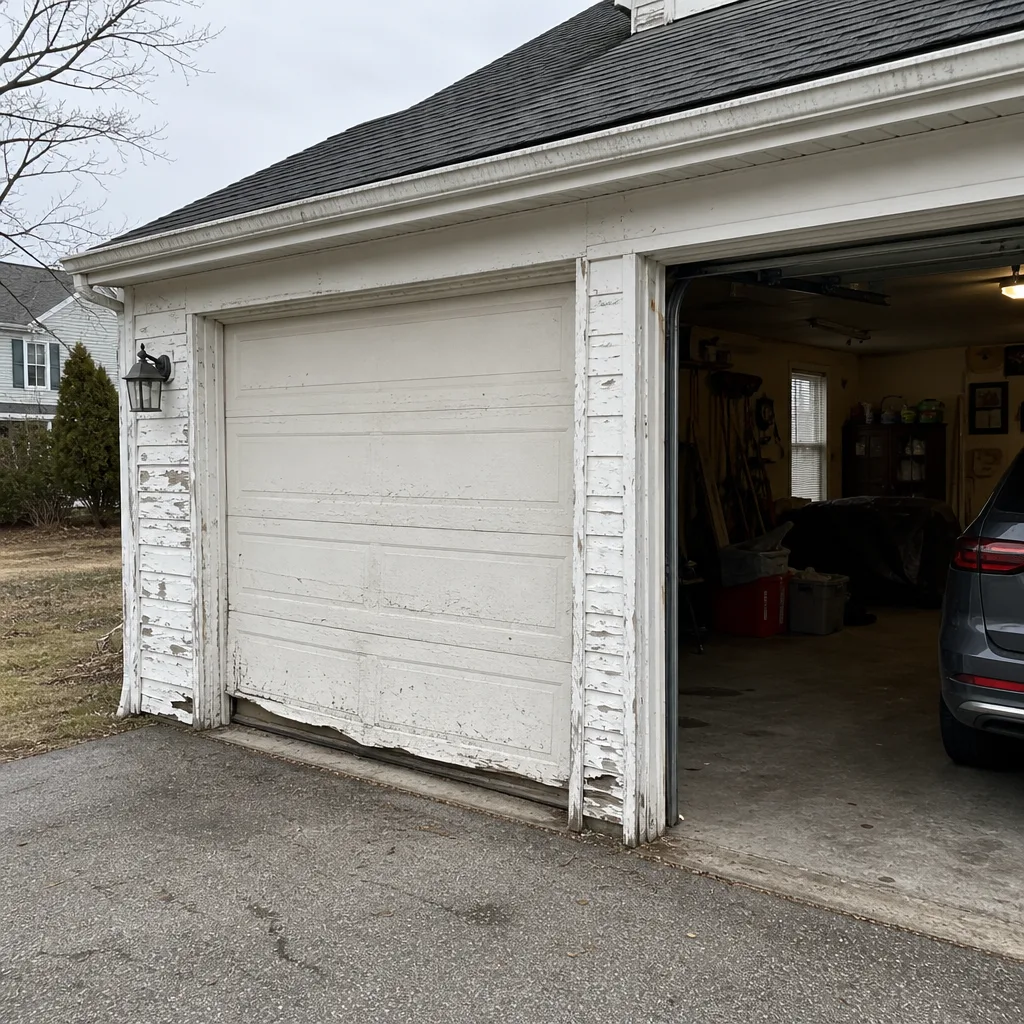 Before
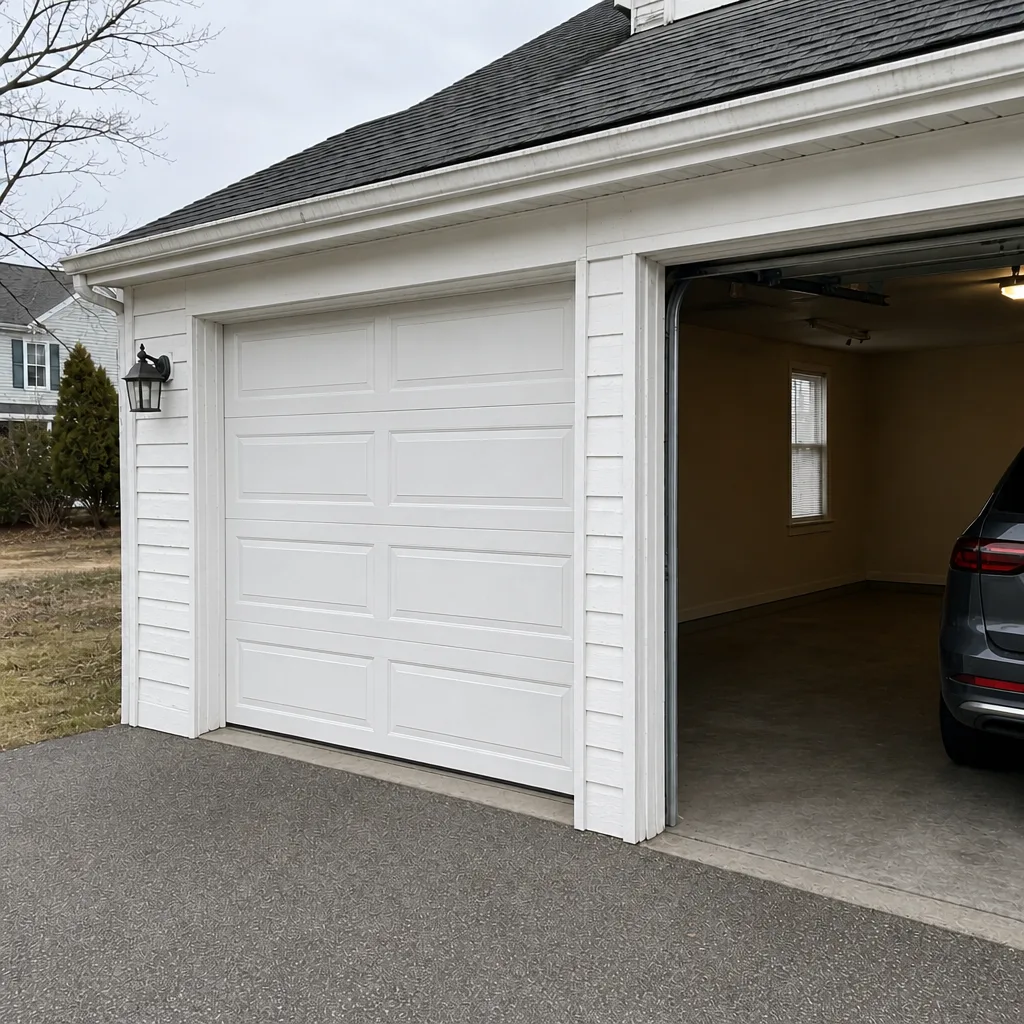 After
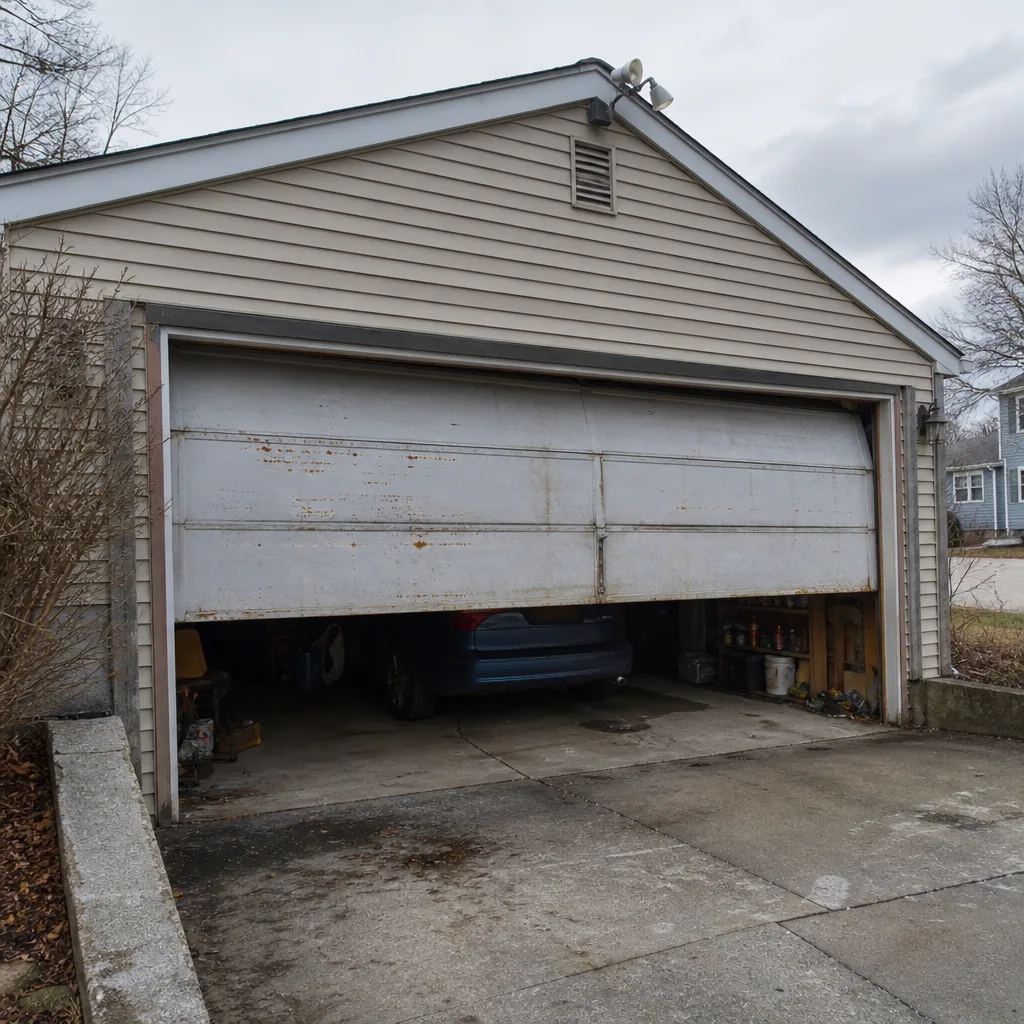 Before
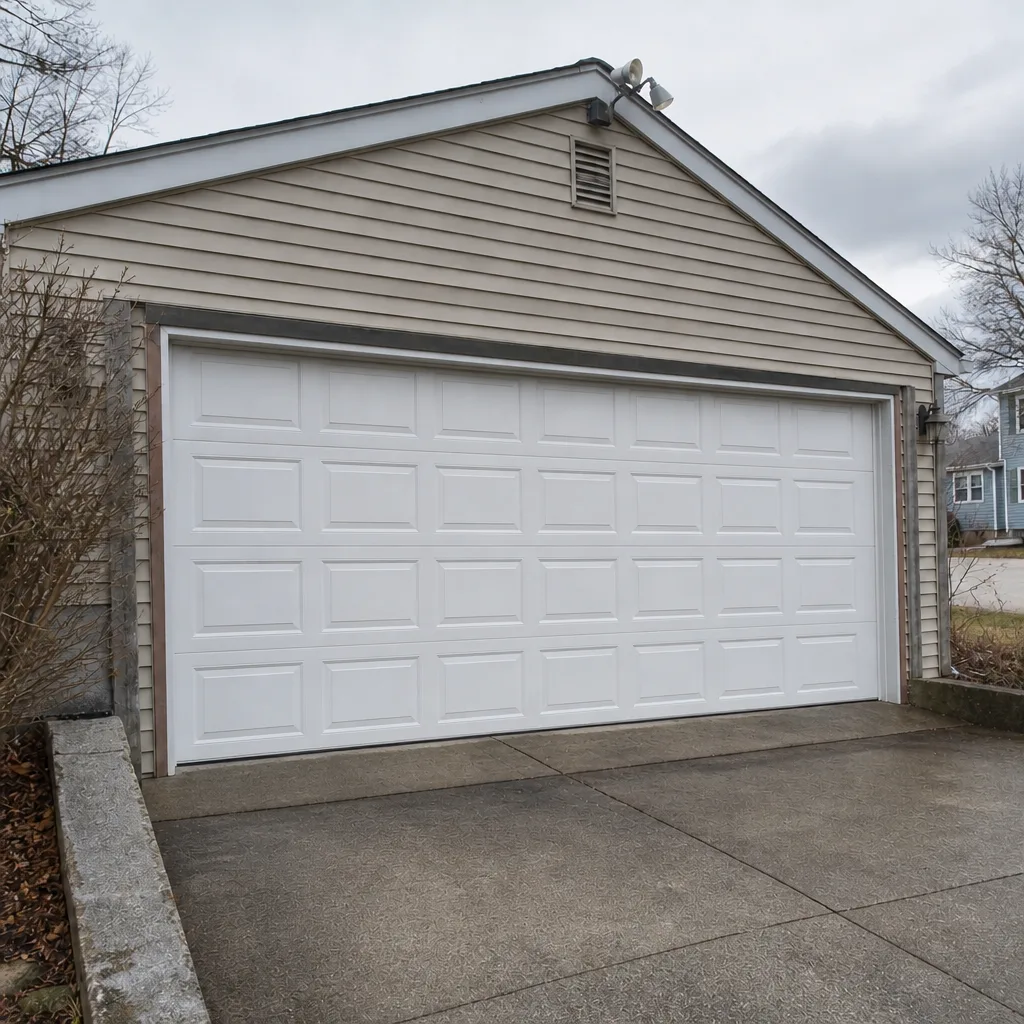 After
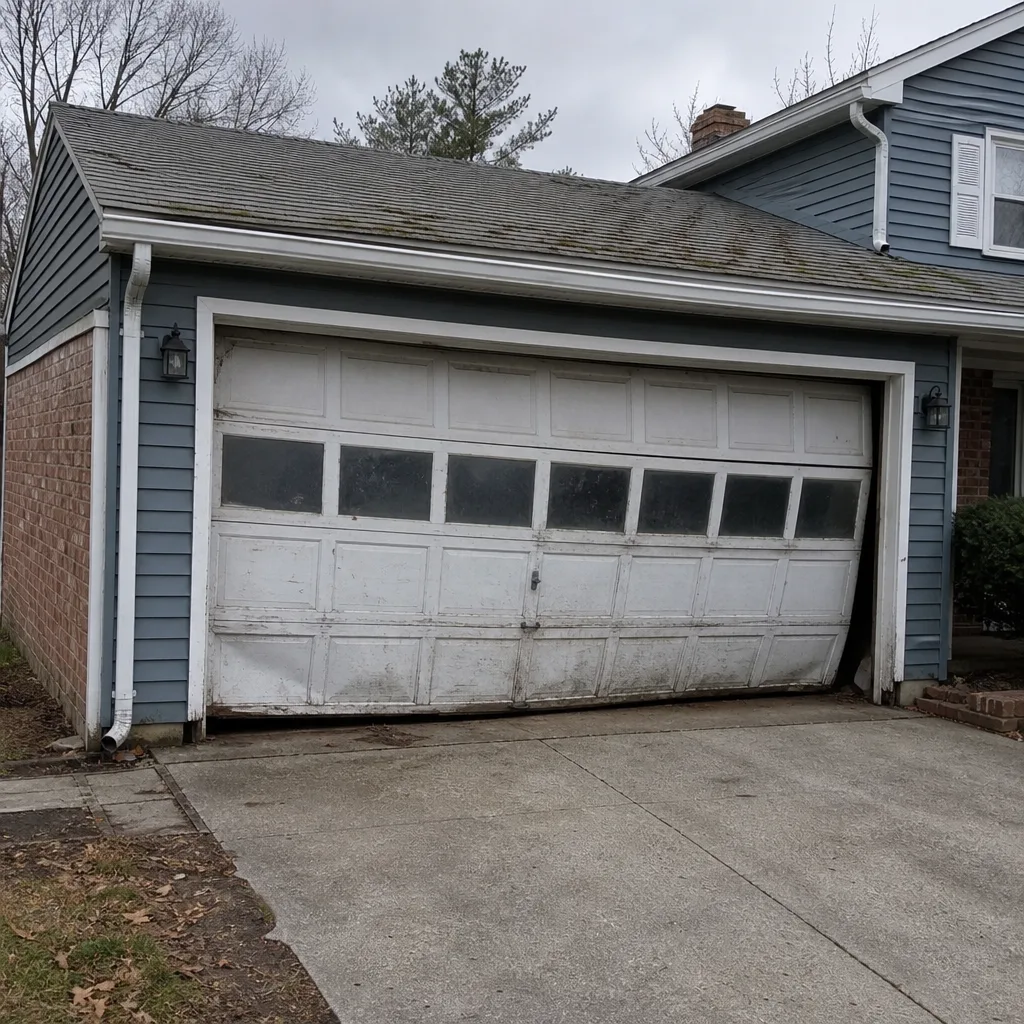 Before
 After