
Last updated November 15, 2026
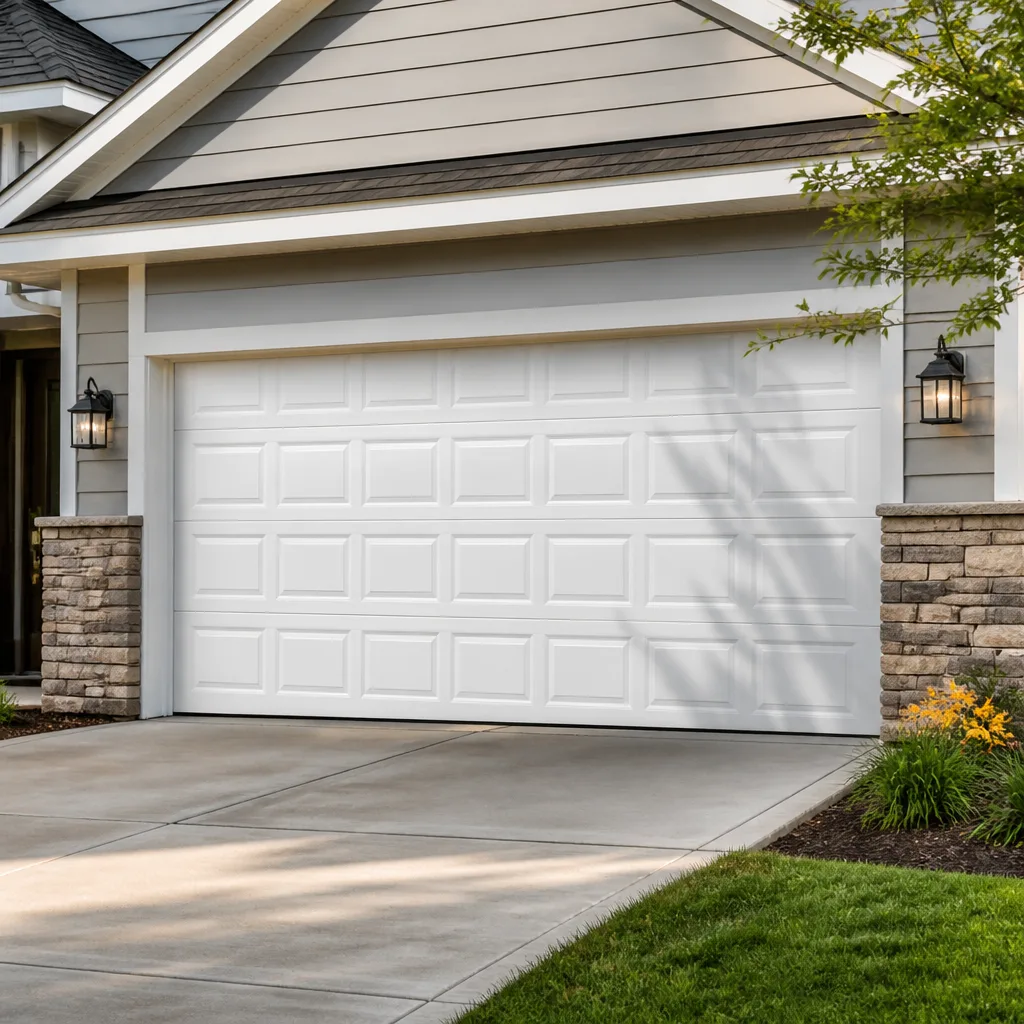 Raised-panel steel
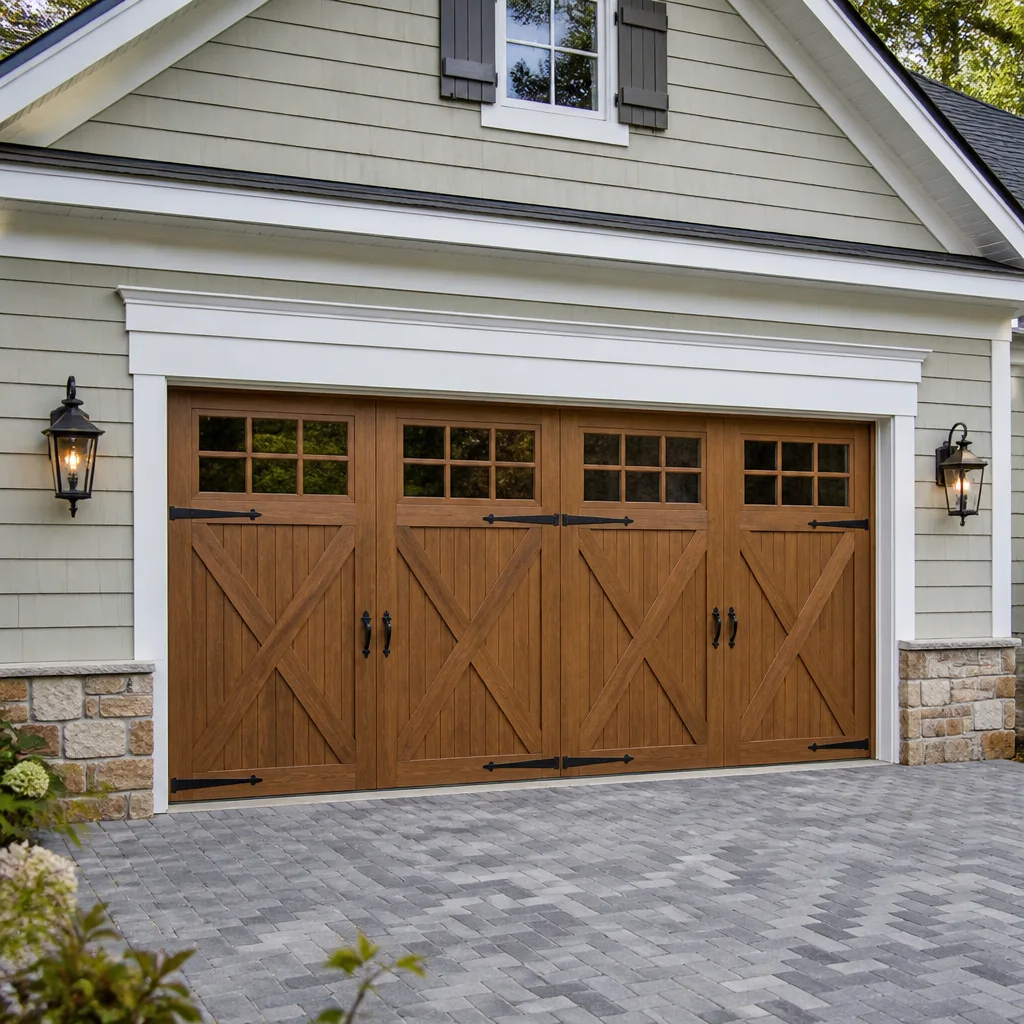 Carriage house
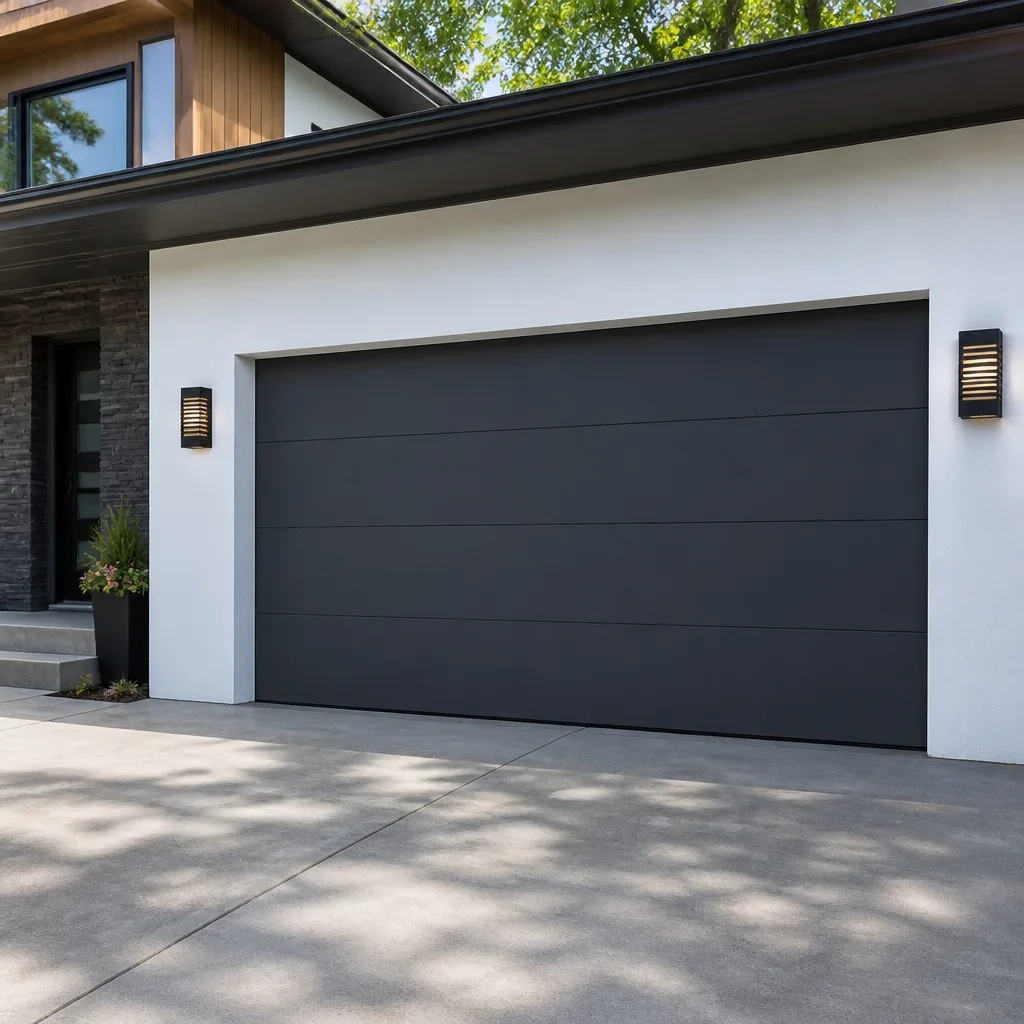 Modern flush
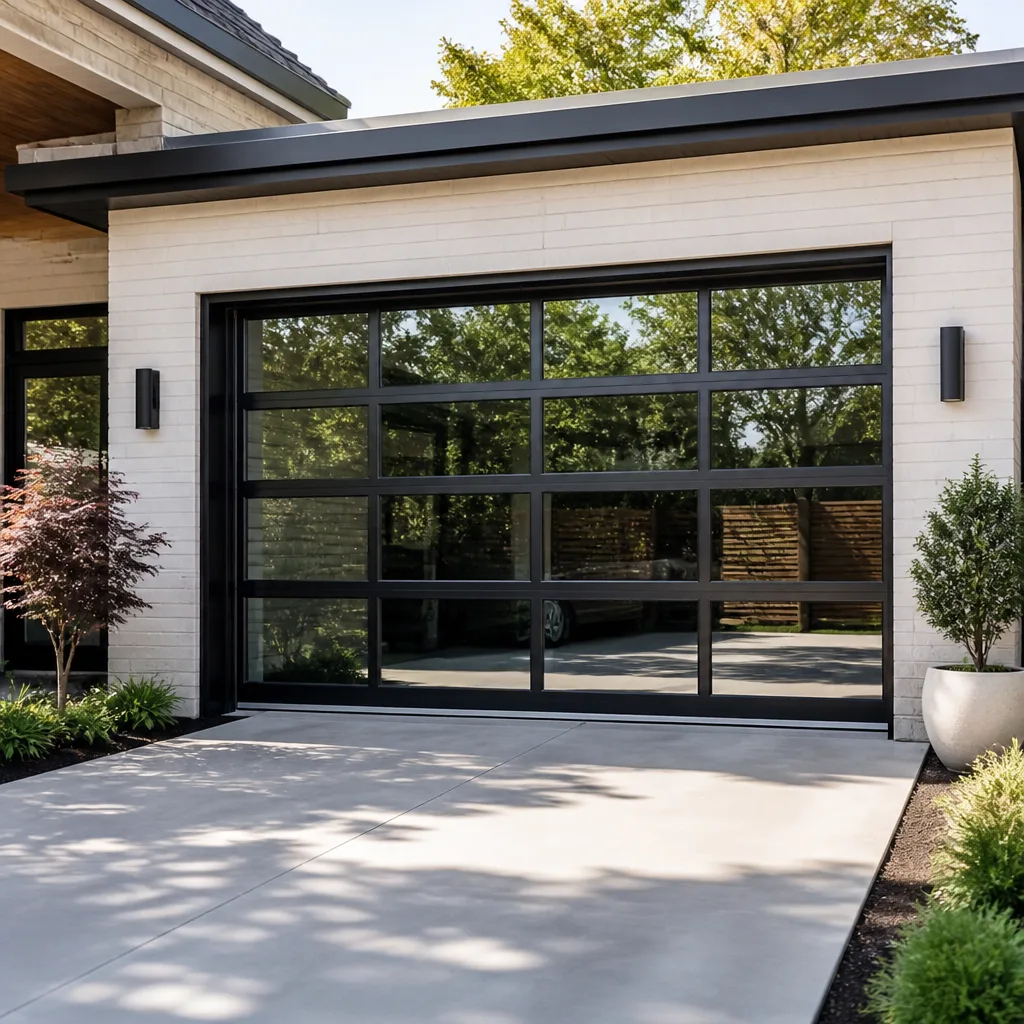 Full-view glass
 LiftMaster openers
 Chamberlain openers
Full 25-point door and opener safety check with every visit - springs, cables, rollers, tracks, and your LiftMaster or Chamberlain opener included
You get a price before we start. It does not change when the pro arrives.
Get your free estimateGarage Door Permits, Codes & Inspections in Manchester, NH: What You Need to Know
Most homeowners assume a garage door is like a new appliance: you buy it, someone installs it, and the city never gets involved. That assumption is exactly what creates trouble at resale. If a door was replaced without the permit it required and an inspector flags it during a buyer’s due diligence, the closing can stall while paperwork gets sorted out, or the price gets renegotiated to cover work the seller never expected to redo. We’ve watched this happen enough times in Manchester to know it’s worth an hour of understanding now. This guide walks through which garage door projects actually require a permit in Manchester, NH, how the city’s inspection process works, how New Hampshire’s energy code shapes insulated door requirements, and what to do if a previous contractor skipped the paperwork entirely.
Quick Answer
In Manchester, NH, a full garage door replacement or a brand-new installation typically requires a building permit, while opener-only repairs and like-for-like repairs to the door itself generally do not. Replacement doors on an attached garage also need to meet New Hampshire’s adopted energy code requirements for insulated doors, and any door separating the garage from living space must be fire-rated. When in doubt, confirm with the city’s building department before work begins – a short phone call protects the value of your home.
Styles & brands we work with
- Raised-panel steel
- Carriage house
- Modern flush
- Full-view glass
- LiftMaster openers
- Chamberlain openers
Table of Contents
- Which Garage Door Projects Require a Permit in Manchester, NH?
- What Does the Manchester Inspection Process Actually Involve?
- How Does New Hampshire’s Energy Code Affect Insulated Door Requirements?
- Why Fire-Rated Doors Aren’t Optional for Attached Garages
- Who Pulls the Permit: You or the Contractor?
- What to Do If a Previous Contractor Skipped the Permit
- How Permit Status Affects a Home Sale in Manchester
- Frequently Asked Questions
Which Garage Door Projects Require a Permit in Manchester, NH?
The short version: new installations and full replacements usually require a permit, while repairs and opener work usually don’t. The lines sound simple, but in practice the category your project falls into depends on how much of the assembly is being changed. We’ve walked Manchester homeowners through this conversation many times, and the honest answer is that the city’s building department is the final authority. What we can do is explain the pattern so you know what questions to ask.
Here’s how the three common scenarios usually break down:
- New installation (adding a door to a new garage, converting a carport, or enclosing a structure): almost always requires a permit. This touches structural framing, header sizing, and sometimes electrical work for the opener, all of which the city wants to see.
- Full replacement (removing an existing door and installing a new one, including new tracks and springs): typically requires a permit because it’s a change to a structural opening. If the new door has a different weight, thickness, or R-value than the original, that’s exactly the kind of change a permit exists to document.
- Opener-only work (repairing or replacing the motor unit, remotes, safety sensors): generally no permit. This is electrical work at the appliance level, and a licensed technician handling a LiftMaster or Chamberlain unit doesn’t require a building permit for the swap.
Then there’s the gray zone: repairs. Replacing a single broken spring, re-aligning panels after a minor impact, or swapping a bent roller is normally repair work, not permitted construction. But if the repair grows into replacing the whole door or reframing the opening, you’ve crossed into permit territory. Our advice is always the same: describe the scope of work to the city’s building department and let them tell you which side of the line it falls on.
One more point that catches people off guard. Some Manchester homes have detached garages, and the permit requirements there can differ from attached garages because the energy code and fire separation rules don’t apply the same way. If your door is on a freestanding structure, confirm the specifics rather than assuming the attached-garage rules carry over. If you’re replacing a door and want it done correctly from the start, our garage door repair team can walk you through the scope before you ever call the city.
What Does the Manchester Inspection Process Actually Involve?
The permit itself is paperwork. The inspection is what actually protects you, and it’s usually less daunting than homeowners expect. In a typical garage door replacement, the city’s inspection focuses on three things: that the door is installed to the manufacturer’s specifications, that it’s properly anchored and balanced, and that it meets code for fire separation and energy performance if applicable. An inspector isn’t there to critique your taste in doors – they’re confirming the installation is safe and documented.
Here’s how the process usually unfolds for a residential replacement in Manchester:
- Permit application. The property owner or a licensed contractor submits the application with the project scope, product specifications, and any relevant drawings. This is where choosing a door from a brand like Clopay or Amarr helps, because the manufacturer’s published specs are what the inspector expects to see.
- Permit issued. Once the application is reviewed and approved, the permit is issued and work can begin. The permit needs to be posted or available at the property during the work.
- Installation. A qualified technician installs the door, tracks, springs, and opener per the manufacturer’s instructions.
- Rough or final inspection. Depending on the project, there may be a single final inspection or an intermediate check. The inspector confirms the door operates, the safety features are intact, and the installation matches the approved scope.
- Permit closed. With the inspection passed, the permit is closed and the paperwork is filed with the city. That record is what protects you at resale.
As for timeline and cost, we won’t quote figures we don’t have. Permit fees and inspection windows vary by scope and are set by the city; the honest answer is that you should call the Manchester building department and ask for the fee schedule and expected review time for your project. What we can tell you is that the cost of the permit is a small fraction of the cost of redoing a job after a failed sale inspection, which is the scenario a permit prevents.
For repairs, the process doesn’t apply. Our garage door opener repair work stays inside the appliance and never triggers a permit, and neither does a simple spring or roller replacement.
How Does New Hampshire’s Energy Code Affect Insulated Door Requirements?
This is the detail that catches Manchester homeowners off guard. New Hampshire has adopted energy code provisions based on the IECC (International Energy Conservation Code), and those provisions apply to the building envelope – the boundary between conditioned and unconditioned space. An attached garage is unconditioned space. The door between your garage and your house is part of the envelope, and the garage door itself is part of the barrier keeping the conditioned garage from becoming a heat sink.
In practical terms, what it means for a Manchester replacement:
- Insulated doors are the default for attached garages. A non-insulated door leaks heat all winter. Homes with attached garages are typically expected to have doors that meet a minimum thermal performance, and modern insulated doors from manufacturers like Clopay or Amarr are made for exactly that.
- R-value is not the whole story. The energy code cares about the whole assembly, not just the foam in the door. Air sealing at the perimeter, a proper weatherstrip, and a door that closes squarely all matter.
- Detached garages are different. A freestanding garage isn’t part of the thermal envelope in the same way, so a non-insulated door may be acceptable there. Check before you buy.
This matters beyond the inspection. A Manchester winter is hard on doors. Freeze-thaw cycles, ice buildup in the weatherstrip, and the sheer weight of snow piled against a door all stress the assembly. An insulated door not only satisfies the code – it performs better in this climate. It resists warping, keeps the garage from turning into a deep freeze, and protects anything stored there, including a vehicle you’d rather not be scraping ice off every morning. We install insulated doors from Clopay, Amarr, Wayne Dalton, and Raynor regularly for exactly this reason, and we always match the door’s R-value to the specific situation rather than pushing a single product.
One caveat worth stating plainly: we don’t make the code determination for you. The energy code provisions change over time and are applied by the city, so the building department is the authority. Ask them what R-value or energy performance they expect for your garage door replacement. We’ll then help you select the door that meets it.
Why Fire-Rated Doors Aren’t Optional for Attached Garages
A fire-rated door between an attached garage and the living space is not a contractor upsell, a premium add-on, or a decorative upgrade. It’s a life-safety requirement, and it exists for a reason. Attached garages are one of the most common places home fires start – vehicles, stored chemicals, and electrical equipment all live there – and the door between the garage and the house is the barrier that buys occupants time to get out and slows the spread of smoke and fire into sleeping areas.
If your home has an attached garage with a door leading from the garage into the house (or into a hallway adjacent to living space), that door is required to be fire-rated. The same generally applies to a door between the garage and a covered breezeway or similar transitional space. This is separate from the overhead garage door itself – it’s the man-door, the walk-through door – but homeowners often conflate the two, and contractors sometimes skip the distinction.
What this means for you in practical terms:
- Don’t replace a fire-rated door with a standard interior door. If a previous homeowner or contractor swapped the garage-to-house door for a cheaper non-rated version, that’s a real code issue, not a cosmetic one.
- Self-closing and self-latching hardware matter. A fire-rated door that’s propped open with a brick defeats the purpose. The door should close and latch on its own.
- Ask during any related project. If you’re replacing the overhead door, it’s the right moment to confirm the man-door is also up to standard.
We’re a garage door company, not a fire inspector, and we’ll tell you that plainly. But we’ve walked into Manchester homes where the separation door had been swapped for a hollow-core interior door and the homeowner had no idea. That’s the kind of issue an inspector finds, and it’s better to find it yourself first. When we’re installing a new overhead door in Manchester, we flag the separation door if it looks wrong, and we recommend a licensed professional handle any replacement. Safety components aren’t a place to guess.
Who Pulls the Permit: You or the Contractor?
Either can pull the permit in most residential cases, but the smart move is almost always to have the contractor handle it. Here’s why: when the contractor pulls the permit, the paper trail ties the specific work to the licensed professional who did it. When the homeowner pulls it, the homeowner is legally responsible for making sure the work complies – and if it doesn’t, the correction is on their shoulders.
A few things to confirm before work begins:
- Ask who is pulling the permit. Get a straight answer in writing, before the contract is signed.
- Confirm the permit number once it’s issued. A verbal “we’ll take care of it” isn’t the same as a permit in the city’s system.
- Make sure the final inspection is scheduled and passed. An open permit on a home sale is a problem, so the last step matters as much as the first.
- Keep the paperwork. The closed permit and inspection record belong in your home file, right next to the manufacturer’s warranty for the door.
If you’re working with our team on a replacement, we coordinate with the city on the permit and inspection scope. We’re transparent about the process because that’s the whole point of choosing a specialist – you shouldn’t have to chase paperwork you didn’t know existed.
What to Do If a Previous Contractor Skipped the Permit
If you’re reading this because a prior contractor installed a door without the required permit, don’t panic. This is fixable, and it’s much better to fix it now than to discover it during a buyer’s inspection. Here’s the path we recommend, step by step:
- Find out what was actually done and when. Gather any receipts, product documentation, or warranty paperwork. If you don’t have it, the door’s manufacturer label usually tells you the model, which helps establish what was installed.
- Call the Manchester building department. Explain the situation honestly: a garage door was replaced, and you’re not certain whether a permit was obtained. Ask what documentation they need for a retroactive permit or for a code compliance inspection.
- Request an inspection of the existing installation. In many cases the city will inspect what’s there, confirm it meets current code, and issue a permit retroactively. If it doesn’t meet code, they’ll tell you what needs correction.
- Correct anything that’s non-compliant. The most common issues are missing fire-rated separation doors, non-insulated overhead doors on attached garages, and improperly anchored tracks. Our team can handle the garage door corrections; a licensed electrician or general contractor handles anything outside the door assembly.
- Close the permit and keep the record. Once the inspection passes, you have a clean paper trail. That’s what future buyers and their inspectors will see.
The key insight is that the passage of time usually doesn’t make the problem worse – it just delays the fix. A retroactive permit is not a penalty; it’s a correction. What you want to avoid is putting your home on the market with an open issue that a buyer’s inspector is going to find anyway. Whether you’re in the North End, on the West Side, or over in the Rimmon Heights area, the process with the city is the same.
For the garage door side of the correction, our team can assess the installation and identify what needs to change. If any part of the work needs an electrician or a general contractor, we’ll tell you, because we only do garage doors and we don’t pretend otherwise.
How Permit Status Affects a Home Sale in Manchester
Buyers and their inspectors look for unpermitted work in every market, and Manchester is no exception. If a garage door replacement was done without a permit, the buyer’s inspector will typically flag it, and the flag goes on the report regardless of whether the installation itself is safe. What follows depends on the buyer and the market: sometimes it means a delay while the permit gets sorted out; sometimes it means the buyer asks for a credit or a price adjustment to cover the cost of fixing the paperwork; and sometimes it means the deal gets renegotiated at the last minute.
What a buyer’s inspector looks for on a garage door is straightforward. Are the tracks anchored properly? Is the door balanced, or does it drift up or down when let go halfway? Are safety sensors present and functioning on the opener? Does the door meet code for fire separation and insulation? If the answer to any of these is uncertain, the inspector may ask for documentation – and if no permit exists, the trail goes cold. Our Radiant Garage Door Repair team fields these questions often, and the honest answer is that the paperwork is the part homeowners can’t improvise at closing.
If you’re planning to sell within the next year and you’re unsure whether your garage door was permitted, get ahead of it. Call the Manchester building department, confirm the status, and correct anything that’s off. A clean permit record is one less line on the buyer’s inspection report, and it’s often the difference between a smooth close and a renegotiation.
Common Mistakes to Avoid
- Assuming a replacement doesn’t need a permit because it’s “just a door.” Full replacement of an overhead door is a structural change to the opening, and it typically requires a permit. The 20-minute phone call to the building department saves you weeks of hassle down the line.
- Installing a non-insulated door on an attached garage to save a few dollars. New Hampshire’s adopted energy code expects insulated doors on attached garages for a reason, and a non-insulated door fails both the code and the climate test here.
- Replacing a fire-rated door with a cheap interior door. The garage-to-house door is a life-safety component. If it’s been swapped for a hollow-core door, that’s a code violation that needs correcting.
- Leaving the permit open. An unclosed permit is a problem at resale even if the work itself is fine. Make sure the final inspection is scheduled and passed, and keep the paperwork.
- Letting the cheapest contractor quote without asking about permits. A quote that doesn’t mention permits usually means the contractor isn’t planning to pull one. Ask directly.
- Trying to handle a spring or track repair yourself to avoid the “permitting hassle.” Repairs don’t usually need permits, but high-tension springs and cables are dangerous. A trained professional should handle them.
- Skipping the manufacturer documentation. Door specs and installation instructions are part of the permit package. Buying from a brand with clear published documentation, like Clopay or Amarr, makes the inspection process smoother.
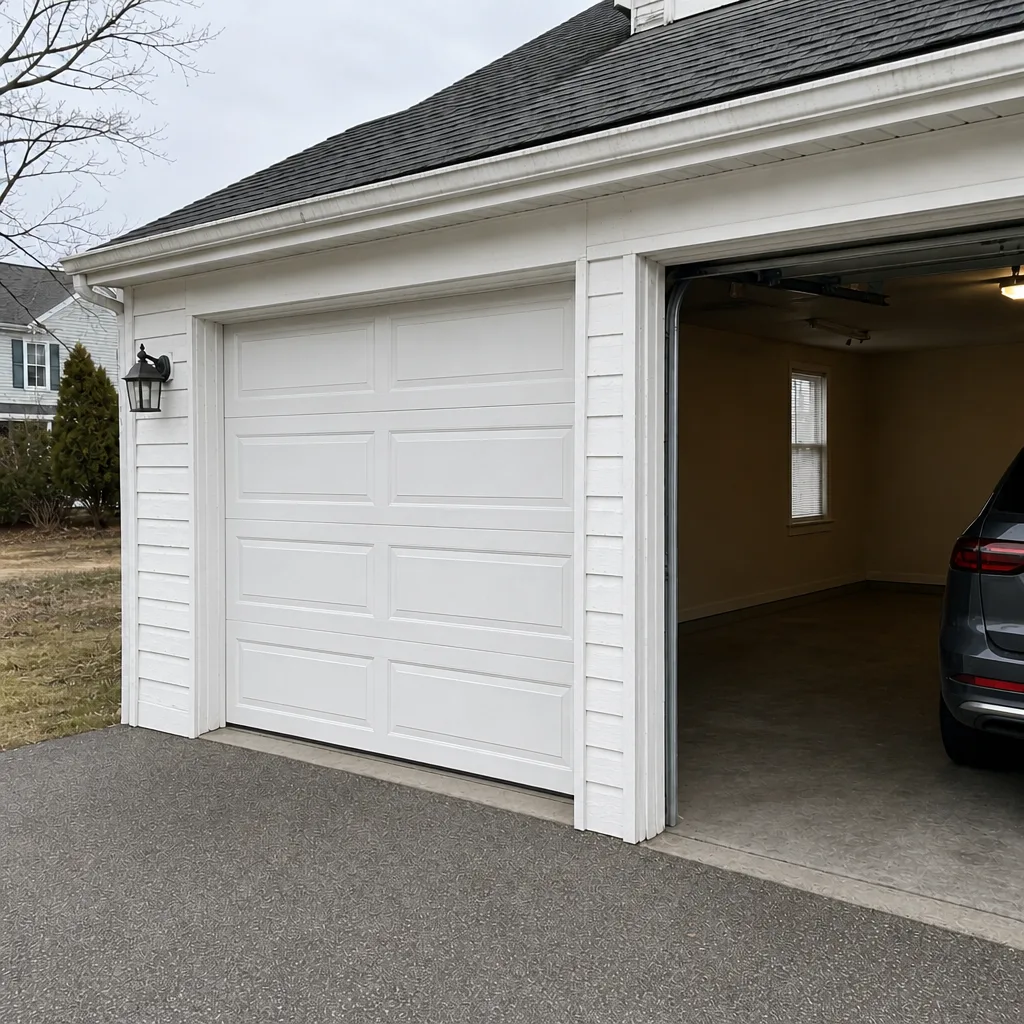
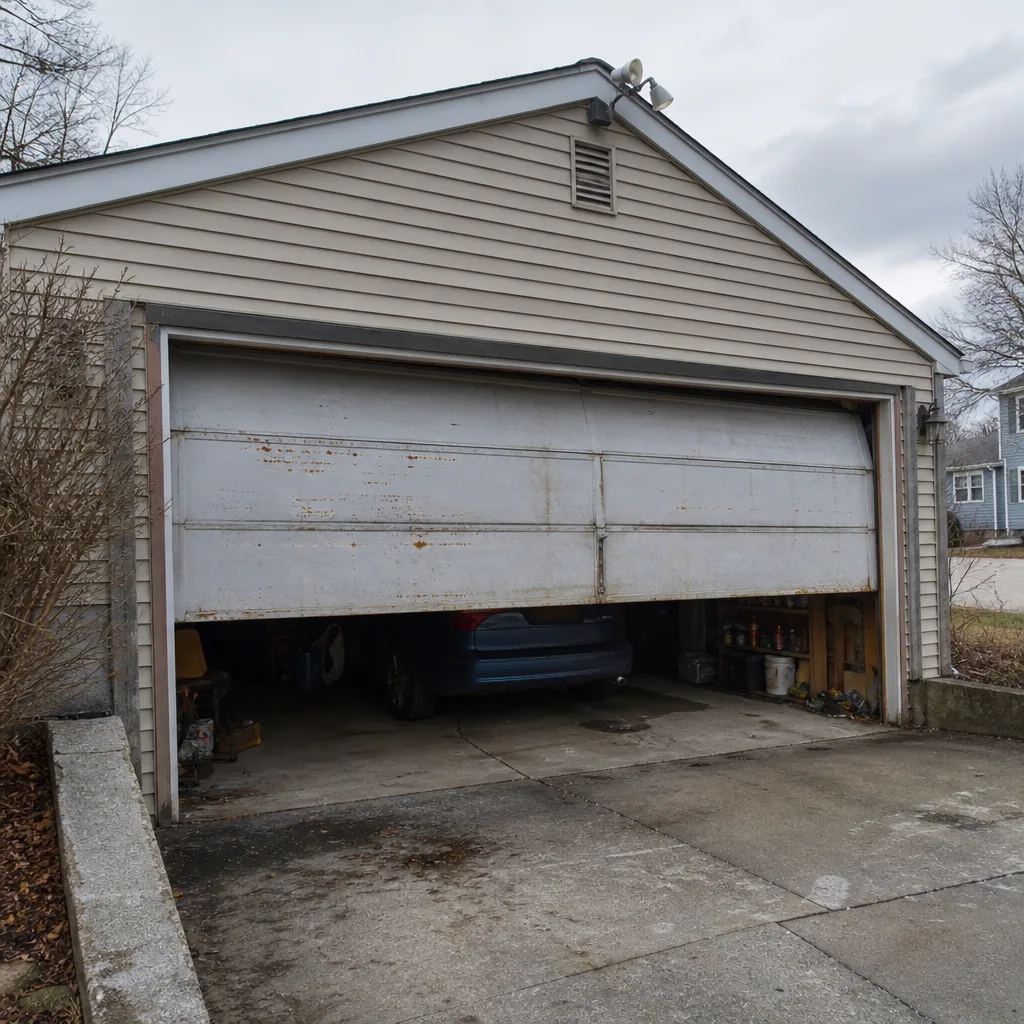
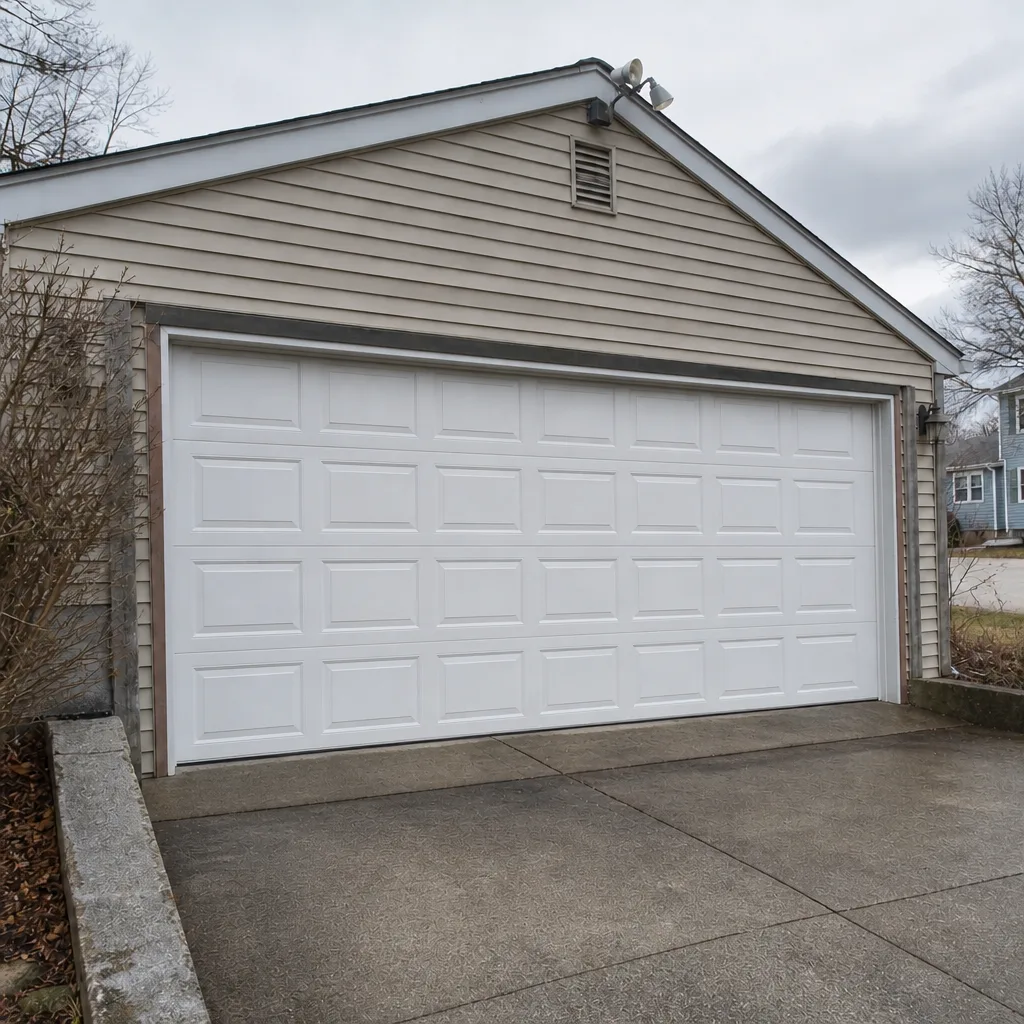
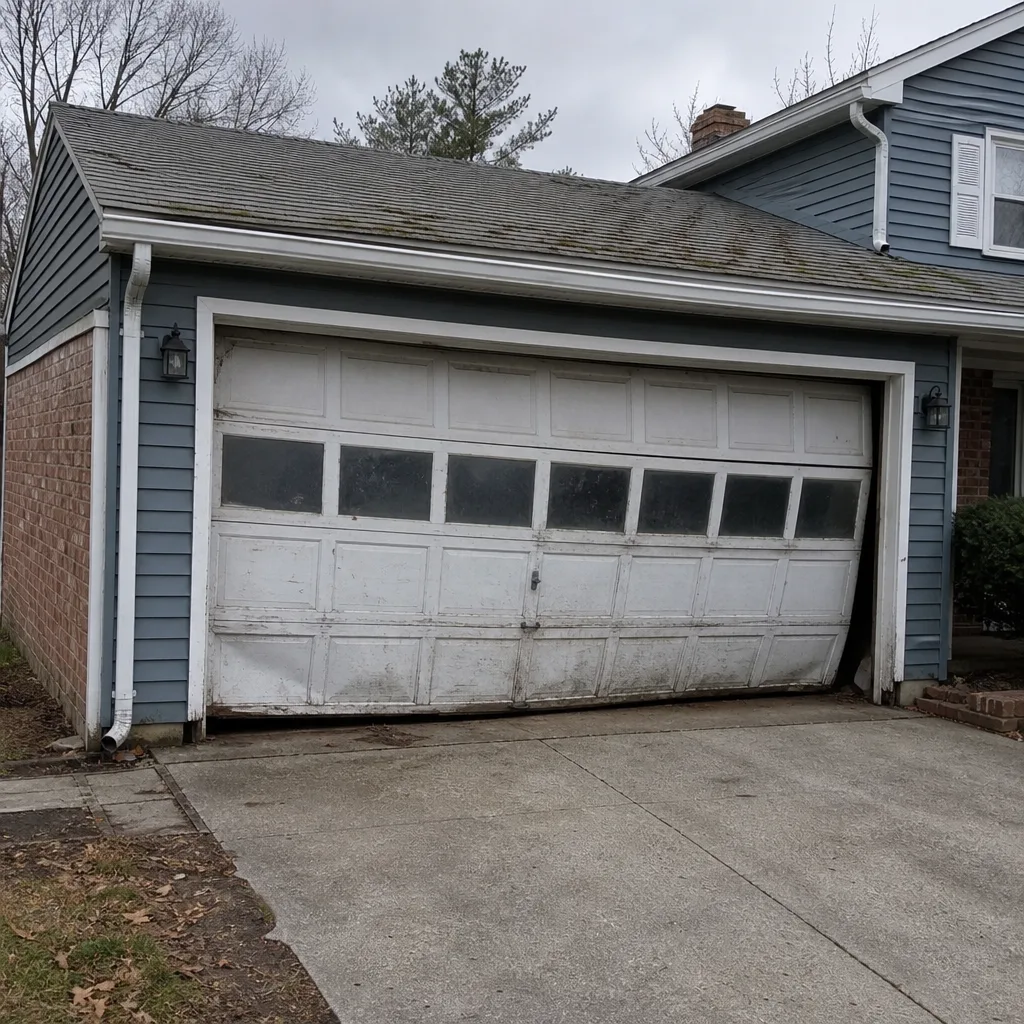
See the difference
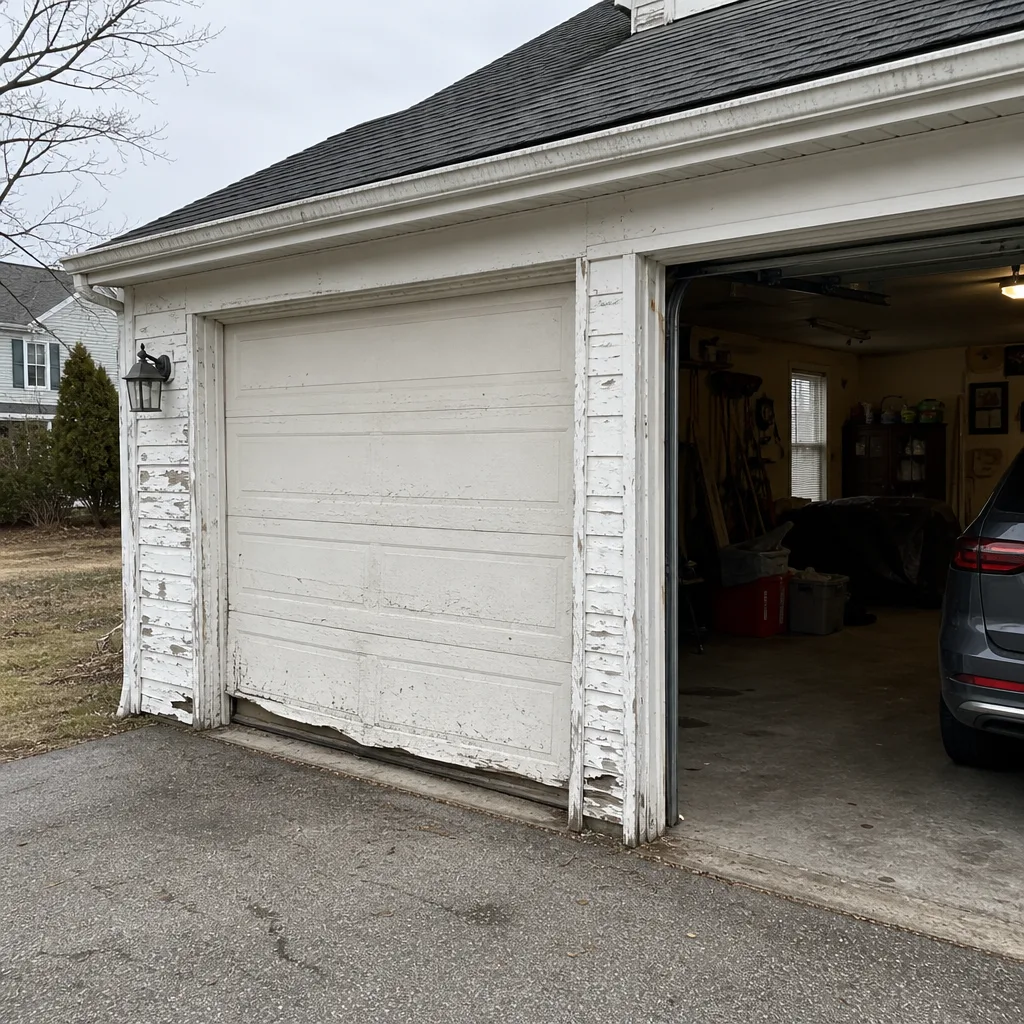 Before
 After
 Before
 After
 Before
 After
When to Call a Professional
Get a professional involved when the garage door itself is failing – a broken spring, a door that’s come off its tracks, or a door that won’t close fully – and certainly when you’re replacing the door and need to coordinate a permit and inspection. Springs, cables, and tracked doors are dangerous to work on without training. We’ve seen enough injuries from DIY spring replacement to recommend against it entirely. We work on the brand you actually have, whether that’s a LiftMaster opener, a Chamberlain smart unit, a Genie, or a door from Clopay, Amarr, Wayne Dalton, Craftsman, or Raynor, and we bring the diagnostic depth a general handyman simply doesn’t have. Radiant Garage Door Repair offers free estimates in Manchester. Call (888) 459-1302. We answer 24/7, with fast dispatch from 7am to 7pm.
Frequently Asked Questions
In most cases, yes. A full garage door replacement typically requires a building permit in Manchester because it’s a change to a structural opening and the energy code applies to insulated doors on attached garages. The building department is the final authority; call them with your project scope and they’ll confirm. Call (888) 459-1302 for a free estimate and we’ll walk you through the scope before you pull the permit.
Usually no. Opener repair or replacement is appliance-level electrical work, not structural construction, so it generally doesn’t need a building permit. Confirm with the city if you’re unsure. For opener work in Manchester, call (888) 459-1302 – estimates are free.
New Hampshire has adopted energy code provisions based on the IECC, and those apply to the building envelope, which includes the garage door on an attached garage. In practice this means an insulated door is usually expected. Ask the Manchester building department for the specific R-value requirement for your project, and call (888) 459-1302 if you’d like help choosing a door that meets it.
Yes, if you have an attached garage with a door leading into living space, that door is generally required to be fire-rated, and it should self-close and self-latch. It’s a life-safety requirement, not an optional upgrade. If you’re unsure about your separation door, call (888) 459-1302 and we’ll flag it during a garage door visit.
You can get compliant, usually through a retroactive permit and an inspection of the existing installation. Call the Manchester building department, explain the situation, and ask what documentation they need. If the installation needs correction, call (888) 459-1302 and we’ll assess the door side of the fix.
Permit fees are set by the city and vary by project scope, so we won’t quote a number we don’t have. Call the Manchester building department and ask for the current fee schedule for a garage door replacement. For the door and installation estimate itself, call (888) 459-1302 – estimates are free.
The Bottom Line
The garage door permit question comes down to three things. Full replacements and new installations typically require a permit in Manchester, NH, while repairs and opener work usually don’t. Insulated doors are expected on attached garages under New Hampshire’s adopted energy code. And a fire-rated door between the garage and the house is a requirement, not an upgrade. If a previous contractor skipped the permit, get compliant now – a retroactive permit and inspection is a phone call away from being fixed. The paper trail protects your home’s value more than any single component on the door. Our team at Manchester-based Radiant Garage Door Repair is here when you need the garage door side of the job handled correctly and documented. Call (888) 459-1302 for a free estimate. We answer 24/7, with fast dispatch from 7am to 7pm, Sunday through Friday.
Written by the team at Radiant Garage Door Repair.